


When you consider the fact that stroke medicine can only be given within the first few hours, recognition and timely treatment are critical.
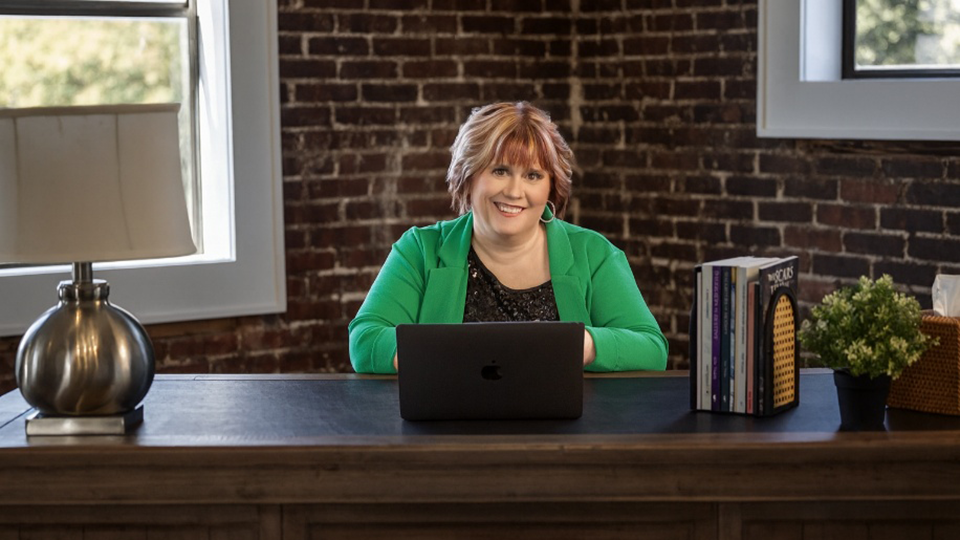
On a Sunday afternoon in 2021, Amy Tisdale, 43, was watching her Dallas Cowboys play the New York Giants from the comfort of her home in Blanchard, Okla. She tried to reach down with her left arm to recline her footrest, but her arm was not responding. She couldn’t move or feel her arm and didn’t understand why.
Seconds later, Amy’s husband, Matt, walked into the living room and immediately noticed that the left side of Amy’s face was drooping and that she was slurring her words. Recognizing these hallmark signs of stroke, Matt called 911 right away.
Amy remembers telling him to hang up because it couldn’t be a stroke; she was too young. “My husband saved my life,” Amy says. “He knew exactly what he was seeing because he had been taught the signs.”
BEFASTT When It Comes to Stroke
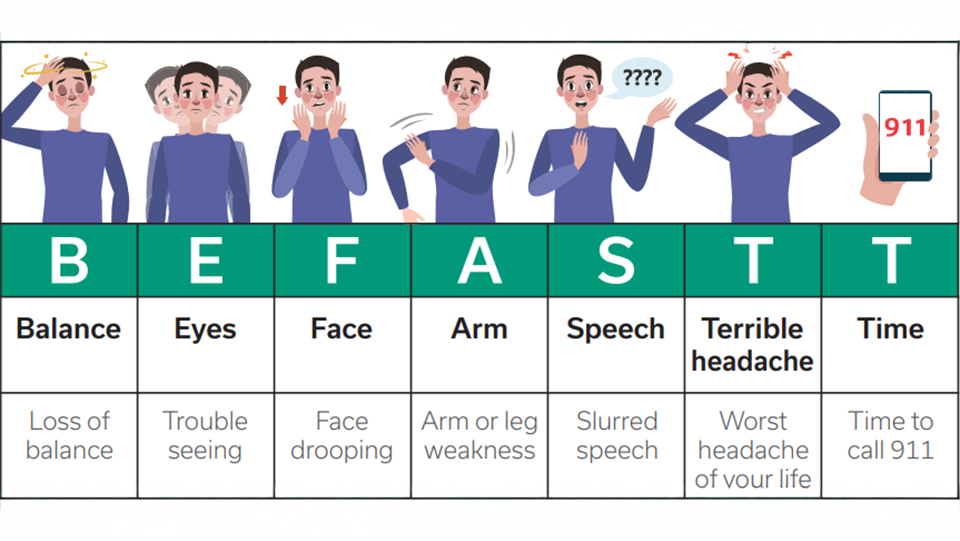
When you consider the fact that stroke medicine can only be given within the first few hours, recognition and timely treatment are critical.
Today, Amy is spreading the message about BEFASTT far and wide as a stroke survivor, advocate and author. It’s a message that’s important for everyone to hear, because as Amy’s story shows, stroke can strike anyone at any age. “Stroke doesn’t care if you’re 43 or think you’re too young to have one,” Amy says. “It can happen at all ages and I’m meeting people younger and younger that are having strokes. It can provoke a very real sense of loss. You almost have to grieve for the person you were before, because now everything’s changed.”
The First Six Months
Suffering a stroke is devastating, but recovery is possible. Following her stroke, Amy was transferred to INTEGRIS Health Jim Thorpe Rehabilitation, where she spent three months in intensive, inpatient care with the goal of getting her life back on track.
Patients are provided with several hours of comprehensive therapy each day, working with a multidisciplinary care team to rebuild strength, mobility, brain function and independence. The care team works with patients to help them live fully – to recover not only as many physical abilities as possible, but to address emotional, mental and social changes as well.
Occupational therapist Cristina Seevers worked with Amy from her first day through discharge, allowing time to build trust and individually tailor therapy to her needs. “Amy was positive from the very beginning,” Seevers says. “Her strong faith and her husband’s support were crucial to her success. She never said ‘no’ and always tried. She was such an encouragement to other patients as well during her time here at Jim Thorpe, always showing interest in others’ progress.”
From Signs to Strength
While Amy says she saw a lot of progress in the first few months after her stroke – thanks to her husband’s quick actions, BEFASTT and her inpatient stay at INTEGRIS Health Jim Thorpe – she’s made significant strides in the nearly five years since and has even made it a calling. “Advocacy and education have become a big part of my life through my platform, FSST Forward, where I focus on turning awareness into action through the BEFASTT signs and real-life impact,” Amy adds.
Through FSST Forward and advocacy efforts on her social media channels, Amy not only spreads awareness about stroke signs, but also is paving the way for better accessibility options for people who have suffered a stroke or are living with disability.
One example is The Adapted Kitchen, a Facebook page she created to share ways to make cooking more accessible. That includes recipes that are easier for people with disabilities to navigate, as well as useful tools (like her trusty one-handed egg cracker or colander that can be held with one arm) that have helped Amy rediscover her love for cooking, with hopes it will help other people as well to live independently and feel safe.
The Next Chapter
Amy is back to working part time as a travel agent, where she is also bringing a renewed focus on becoming an accessible travel agent so that fellow survivors and people living with disabilities can see that the world is not closed off. She was also recently named Ms. Wheelchair Oklahoma USA and will be participating in a pageant this summer for a chance at being crowned Ms. Wheelchair USA.
“Learning to live life again after a stroke is hard,” Amy says, “but it’s not over. You can still lead a beautiful life.”


