


Research shows that exposure to as little as five sunburns in your lifetime can double your risk of developing melanoma. With the warmest months of summer set to bear down on Oklahoma, INTEGRIS Health is raising awareness of sun protection methods and explaining SPF numbers that can be confusing.
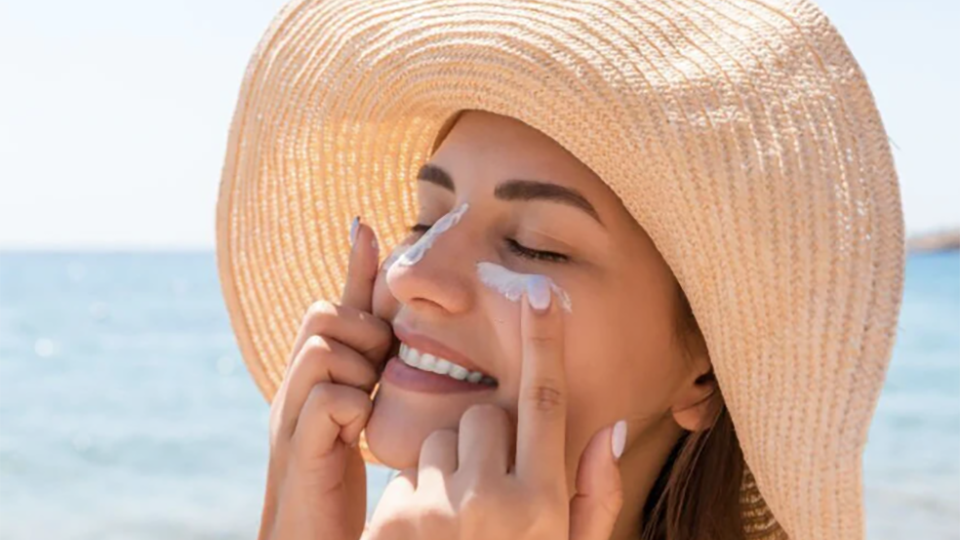
Research shows that exposure to as little as five sunburns in your lifetime can double your risk of developing melanoma. With the warmest months of summer set to bear down on Oklahoma, INTEGRIS Health is raising awareness of sun protection methods and explaining SPF numbers that can be confusing.
What SPF really means
SPF stands for Sun Protection Factor. It measures how effectively sunscreen shields your skin from UVB rays, the ultraviolet rays responsible for sunburn.
The SPF number also explains how much longer your skin can be in the sun before burning compared to no protection at all. If you’d burn in 10 minutes unprotected, SPF 30 would theoretically stretch that to 300 minutes (10 minutes x SPF 30).
Is high SPF sunscreen better?
Many people assume that higher SPF equals dramatically better protection, but the gains are marginal as the numbers increase.
The truth is no sunscreens offer 100% protection. And it’s important to remember that it doesn’t account for UVA rays, which penetrate deeper into the skin and contribute to premature aging and skin cancer.
How to choose the best sun protection
When choosing sunscreen, it’s essential to look beyond just the SPF count.
Higher SPF isn’t inherently better. The added protection is incremental, and misuse can reduce its effectiveness. Broad-spectrum SPF 30 used correctly provides reliable protection for most people. Ultimately, consistency matters more than chasing the highest SPF.
Want personalized advice? Speak with an INTEGRIS Health dermatologist to refine your sun protection strategy. Staying sun smart is the best way to enjoy the outdoors while safeguarding your skin against burns, cancer and aging.


