


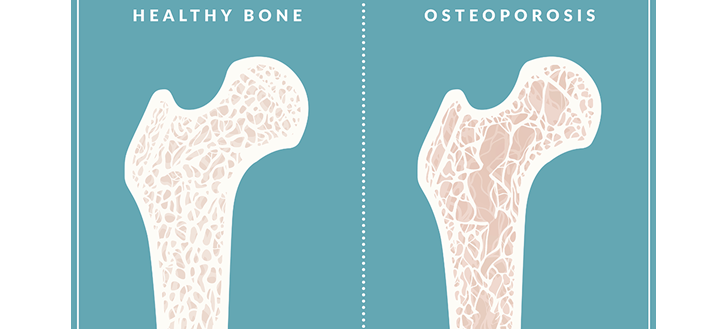
Bone health is an important issue that sometimes gets missed. As we age, our bones can weaken at a much faster pace, which makes paying attention to bone density especially important. Bone loss can lead to osteoporosis, a bone disease that affects millions of people.

Bone health is an important issue that sometimes gets missed. As we age, our bones can weaken at a much faster pace, which makes paying attention to bone density especially important. Bone loss can lead to osteoporosis, a bone disease that affects millions of people. Common symptoms include loss of height, lower back pain, change in posture and bone fractures.
“Osteoporosis is a systemic condition in which the bones become structurally weak and are more likely to fracture,” says Bhushan Shrikhande, an endocrinologist with INTEGRIS Health Southwest Medical Center. “If you have osteoporosis, several treatments are available to stabilize or improve bone density. Talk to your doctor about what your options might be.”
Strong bones support our daily life and independence.
Risk factors for bone loss
Not everyone’s bone health is affected in the same way. The risk for osteoporosis and bone fractures depends on genetics, lifestyle and health history.
Having a family member with osteoporosis increases our chances of bone loss.
Some risk factors cannot be changed, like ethnicity and genetics.
Prevention strategies
How to protect your bones: Early action is the best defense. Start bone-friendly habits as soon as possible. Simple shifts in how we eat, move and spend our time can help keep bones healthy for the long run.
Next steps: At INTEGRIS Health, our team is ready to guide you toward better bone health. Take the first step by connecting with a trusted expert. Find a doctor near you to explore how you can build and protect your bone health starting today.


