


Lung cancer is considered one of the deadliest forms of cancer, in large part because screening rates are very low. Only nine percent of Oklahomans who are eligible to get screened for lung cancer actually do, meaning most people are diagnosed in later stages of the disease leading to lower chances of survivability.
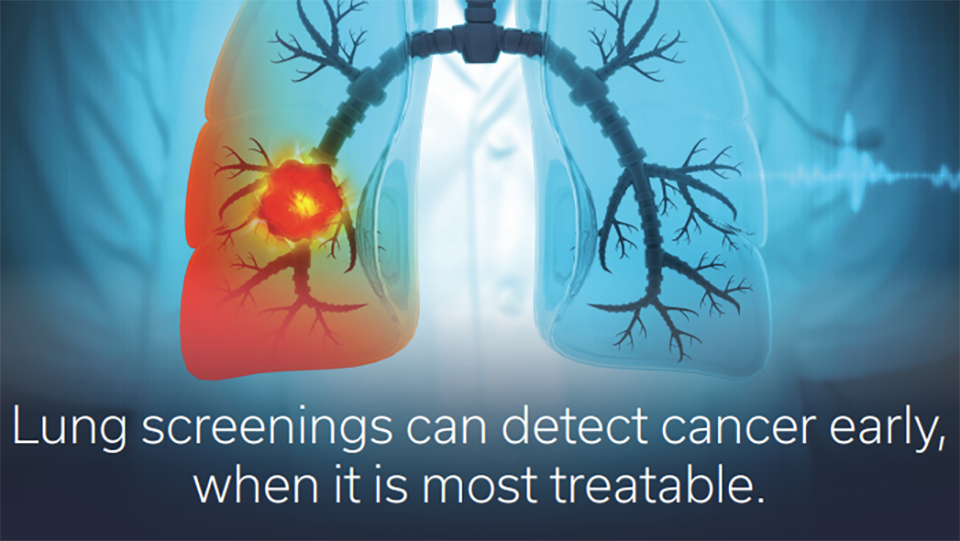
Lung cancer is considered one of the deadliest forms of cancer, in large part because screening rates are very low. Only nine percent of Oklahomans who are eligible to get screened for lung cancer actually do, meaning most people are diagnosed in later stages of the disease leading to lower chances of survivability.
Nathaniel Moulton, M.D., is a board-certified interventional pulmonologist at INTEGRIS Health. He says thanks to medically advanced technology like the Ion robotic lung bronchoscopy, doctors are now able to detect lung cancer much earlier when the nodules are smaller. “This technology allows us to find pea-sized nodules that were previously undetectable. It also makes it possible to reach into areas of the lung that were inaccessible with conventional bronchoscopy methods.”
He adds, “When cancer is found early, we have more curative options available when it comes to treating patients and can therefore save more lives.”
As part of National Lung Cancer Awareness Month this November, the public is invited to a Lung Cancer Awareness Event on Saturday, Nov. 8 from 9 a.m. to 3 p.m. at the INTEGRIS Health Cancer Institute located at 5911 W. Memorial Road in Oklahoma City.
A limited number of lung screening appointments will be available on this day at the INTEGRIS Health Cancer Institute on the northside and INTEGRIS Health Cancer Institute Southwest located at 4301 S. Western in south Oklahoma City. Contact your primary care provider or pulmonologist to schedule an appointment. If you have any questions, contact our pulmonary navigators at 405-951-8531.
Lung Cancer Screening Criteria:
Most insurance plans cover the screening for those who meet the requirements. Assistance may be available for those without insurance.

Your medical oncologist is like the quarterback for cancer care. They collaborate with the other physicians on your team — Search for the right doctor, for you.


