


INTEGRIS Health is joining communities across Oklahoma and around the world in recognizing International Overdose Awareness Day on Aug. 31. This year marks the 25th anniversary of the global campaign, which provides an opportunity to remember those who have lost their lives to overdose, increase education about overdose prevention and encourage Oklahomans to seek help before a crisis occurs.
INTEGRIS Health is joining communities across Oklahoma and around the world in recognizing International Overdose Awareness Day on Aug. 31. This year marks the 25th anniversary of the global campaign, which provides an opportunity to remember those who have lost their lives to overdose, increase education about overdose prevention and encourage Oklahomans to seek help before a crisis occurs.
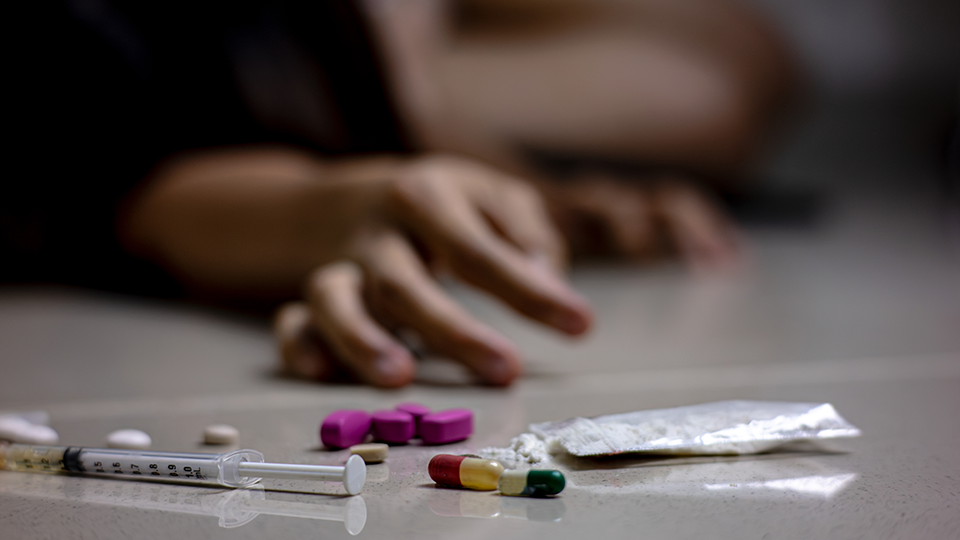
Although Oklahoma has seen encouraging declines in overdose deaths over the past year, healthcare providers continue to treat patients affected by a dangerous illicit drug supply. Fentanyl is increasingly found in counterfeit pills made to resemble prescription medications and in illicit drugs such as methamphetamine and cocaine, often without the user’s knowledge.
Understanding the Risks of Counterfeit Pills
“Today’s illicit drug supply is far less predictable than it was even a few years ago,” says Teresa Stephenson, the executive director at INTEGRIS Health Arcadia Trails Center for Addiction Recovery. “Many people who overdose may be unaware they have consumed fentanyl or other highly potent synthetic drugs.”
Fentanyl is a synthetic opioid approximately 50 times more potent than heroin and up to 100 times more potent than morphine. Even a small amount can be fatal, particularly for someone without opioid tolerance.
“We’ve treated patients who unknowingly took counterfeit pills made to look like prescription medications but that actually contained fentanyl,” says Joseph Love, D.O., trauma medical director at the INTEGRIS Health Trauma Center at INTEGRIS Health Baptist Medical Center. “Medications prescribed by a healthcare provider and dispensed by a licensed pharmacy are regulated and can be identified by their packaging and labeling.”
7-OH: An Emerging Concern
Health experts, law enforcement and government agencies are also monitoring synthetic substances marketed as “legal” or “natural” alternatives. Kratom, a plant-derived product sold in some smoke shops, convenience stores and online, can have opioid-like effects at higher doses and may lead to dependence. Natural kratom is legal to buy and sell in Oklahoma for individuals 18 and older.
A growing concern is 7-OH, a powerful opioid-like compound found naturally in trace amounts in kratom. Concentrated and semisynthetic 7-OH products, often sold as tablets, shots or gummies, are increasingly available and may carry risks for addiction and overdose. Federal agencies are also taking steps to address these products.
The Oklahoma Bureau of Narcotics and Oklahoma State Department of Health have warned about the rise of illicit synthetic kratom, sometimes called “gas station heroin.” State toxicologists have linked 7-OH to more than 50 fatal overdoses across Oklahoma since early 2025.
“People often do not realize they are taking far more kratom or 7-OH than intended,” says Love. “Combining 7-OH with substances such as alcohol or fentanyl can further increase the risk of harm.”
Know the Signs of an Overdose
Warning signs may include:
If you suspect an overdose:
Early Intervention Can Save a Life
Naloxone is an over-the-counter medication that can rapidly reverse the effects of an opioid overdose by blocking opioid receptors in the brain and restoring normal breathing. It is safe for adults and children and is recommended for people who may be at risk of opioid overdose, including those taking prescribed opioid medications. Even after administering naloxone, call 911 because additional medical care may be needed.
INTEGRIS Health encourages Oklahomans to learn the signs of overdose, carry naloxone when appropriate and talk openly with loved ones about the risks associated with fentanyl and other emerging substances. “Substance use disorder is a chronic medical condition, not a moral failing,” Stephenson says. “Whether someone is struggling with prescription medications, illicit drugs or alcohol, effective treatment is available. Recovery is possible, and no one has to do it alone.”
INTEGRIS Health Arcadia Trails Center for Addiction Recovery offers a full continuum of care, including residential and outpatient treatment options. For more information, call 405-216-2500.


