


In 2024 at age 46, Bridget Bredy noticed abnormal bleeding while using the bathroom. She had no pain, no weight loss, no other symptoms. Otherwise healthy, cancer wasn’t her first thought.
 In 2024 at age 46, Bridget Bredy noticed abnormal bleeding while using the bathroom. She had no pain, no weight loss, no other symptoms. Otherwise healthy, cancer wasn’t her first thought.
“I did some research online, so I knew it was a possibility,” she says. “But I felt fine, and because of my age, I tried to convince myself it was something minor.”
Bridget, a Piedmont Public Schools speech-language pathologist and mother of two children, scheduled an appointment at INTEGRIS Health Medical Group Memorial West and was referred for a colonoscopy that May. The colonoscopy revealed stage 2 cancer.
The Treatment Plan
Thomas Showalter III, D.O., a medical oncologist at INTEGRIS Health Cancer Institute Multidisciplinary Gastrointestinal Cancer Clinic and colorectal surgeon Dom Burneikis, M.D., at INTEGRIS Health Baptist Medical Center, reviewed Bridget’s case and developed a treatment plan.
Within weeks of her diagnosis, Bredy began neoadjuvant chemotherapy — treatment given before surgery to shrink tumors and improve oncological outcomes. “Neoadjuvant chemotherapy is an emerging strategy for certain colorectal cancers,” Showalter explains. “Treating the tumor before surgery can shrink it, improve the chances of complete removal and reduce the risk of recurrence.”
Bridget received chemotherapy every two weeks from June through mid-August 2024. “The infusion itself wasn’t the hard part,” she remembers. “Wearing the pump at home for several days made me feel really sick.”
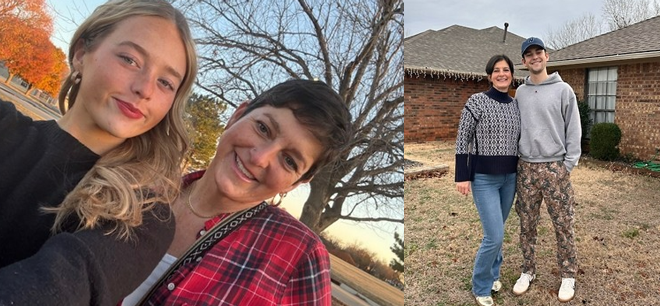
Despite the challenges, family and close friends helped Bridget to stay strong.
“They were my rock. Having cancer forced me to allow others to help. It was a growth opportunity for me.” She adds, “I had to be there for my kids and didn’t want them to see me suffer.”
Bridget also credits the support of her care team at INTEGRIS Health. “They took as much time as I needed to make sure I understood my treatment plan and the next steps,” she says. “I felt informed, educated and supported the entire time.”
Her tumor responded well to chemotherapy, shrinking significantly and allowing her to avoid radiation before surgery. Following the procedure, doctors found no evidence of cancer remaining. “When a patient has a complete pathologic response like Bridget did, it’s the best outcome we can hope for,” says Burneikis. “It’s a cure.”
Recovery and Gratitude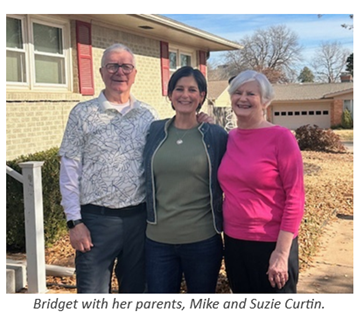
Today, Bridget is cancer-free and under clinical observation, including CT scans, circulating tumor DNA testing and yearly colonoscopies to monitor for recurrence. Her experience has also changed how she approaches her health.
“Before my diagnosis, I didn’t keep up with regular checkups or screenings and probably waited too long after noticing symptoms,” she admits. “Now, I stay on top of my health. I’ve had my mammogram and annual checkup. I want to catch anything early.”
Colorectal cancer is the third most common cancer diagnosed in men and women in the United States, according to the American Cancer Society. In recent years, cases have increased among younger adults, prompting screening guidelines to recommend routine screening beginning at age 45 for people at average risk.
“Colorectal cancer is highly treatable when caught early,” Showalter says. “If you notice sudden changes in bowel habits, blood in the stool or rectal bleeding, it’s best to speak to your primary care provider.”
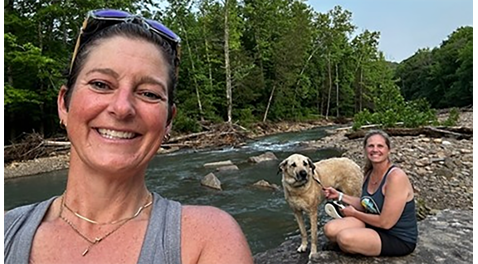
Now with her health restored, Bredy is embracing life with renewed energy. She’s kayaking, hiking, spending more time outdoors and going to concerts. “Cancer isn’t a journey I ever wanted and never would have chosen,” she says. “But I’m grateful for where I am today.”
If you have a family history of colorectal cancer, then you should start screening at age 40 or 10 years prior to the age your family member was diagnosed, whichever comes first. To schedule a colonoscopy today, talk to your primary care provider or click here.


