


When Is Blood Pressure Too High? Symptoms to Act on Fast
Posted in

High blood pressure affects nearly half of all adults in the United States, yet most people don't know what it feels like until something goes wrong. Symptoms are easy to dismiss. They might involve a headache, some dizziness, maybe a little nausea, but in some cases, those same signs point to something far more serious. When is blood pressure too high? INTEGRIS Health is helping patients recognize dangerous high blood pressure symptoms and act fast.
We speak to P. Myriah Rollins, M.D., a board-certified family medicine physician at INTEGRIS Health Medical Group Cross Timbers, to learn more.
“Hypertension is often silent until it becomes life-threatening, which is why I feel that educating is vital, as it can empower patients to help prevent strokes, heart attacks and hypertensive emergencies,” Rollins says. “The best thing patients can do is know their normal blood pressure numbers and take unusual symptoms seriously. A severe reading around 180/120 mm Hg or higher, paired with chest pain, shortness of breath, weakness, vision changes or difficulty speaking can signal a hypertensive emergency and needs immediate medical attention.”
When to call 911: If you are experiencing emergency symptoms, call 911. If you are pregnant or recently gave birth and have a very high blood pressure reading, severe headache, vision changes, swelling, chest pain or shortness of breath, seek emergency care or contact your OB-GYN right away.
For ongoing blood pressure concerns, schedule an appointment with an INTEGRIS Health primary care provider. Consider a heart scan to check your heart health and risk for heart disease!
What is a hypertensive crisis?
What to know: A hypertensive crisis happens when blood pressure spikes to dangerous levels, putting the heart, brain and kidneys at serious risk. Understanding how this differs from everyday hypertension symptoms and knowing what action to take can make a life-or-death difference.
- A hypertensive incident may involve severely elevated blood pressure without signs of organ damage, while a true hypertensive emergency involves damage that is actively occurring.
- Severe hypertension, sometimes called hypertensive urgency, involves very high blood pressure without signs of new or worsening organ damage.
- A hypertensive emergency involves very high blood pressure plus symptoms or evidence that organs such as the heart, brain, kidneys or eyes may be affected.
- A blood pressure reading of 180/120 mmHg or higher generally meets the threshold for a hypertensive crisis.
- At those levels, the cardiovascular system faces extreme strain that can quickly affect multiple organs.
- Everyday high blood pressure typically develops gradually and causes no obvious symptoms, making a sudden crisis harder to anticipate.
High blood pressure symptoms you should never ignore
Why it matters: Not all signs of high blood pressure look the same, and some hypertension symptoms can be mistaken for less serious problems. Knowing which symptoms demand immediate attention, rather than a wait-and-see approach, is critical when blood pressure climbs to dangerous levels.
- A sudden, severe headache that feels unlike any you've had before is one of the most reported signs of high blood pressure during a crisis.
- Chest pain or tightness alongside a very high reading may indicate the heart is under significant stress.
- Shortness of breath at rest or with minimal activity can signal that the cardiovascular system isn't coping well.
- Neurological changes, including confusion, vision disturbances or sudden weakness, may suggest the brain is being affected.
- Nausea, vomiting, nosebleeds or extreme anxiety that accompanies a very high reading should not be dismissed.
Severe headache and head pressure during a blood pressure spike are different from a typical tension headache or migraine. Patients often describe it as a sudden, pounding sensation at the back of the head or behind the eyes that comes on quickly and intensifies fast.
- The pain may feel unlike anything experienced before, which is itself a warning sign.
- Some people also report a sense of pressure or fullness in the head.
- According to an article in The Journal of Clinical Medicine, headaches are among the most dominant concerns for those with high blood pressure.
Chest pain, tightness or pressure in the context of dangerously high blood pressure may point to a cardiovascular emergency. The heart works significantly harder when blood pressure is severely elevated, and that strain can manifest as discomfort across the chest, jaw or left arm.
- Tightness or a heavy sensation in the chest is never something to ignore alongside high blood pressure symptoms.
- Pain that radiates to the shoulder or jaw raises the concern for a cardiac event.
- Even mild pressure in the chest with a reading above 180/120 should prompt a call to emergency services.
Neurologic changes like confusion or weakness can indicate the brain is not receiving adequate or stable blood flow. During a hypertensive crisis, blood vessels in the brain can rupture or become blocked, producing stroke-like symptoms that demand emergency care.
- Sudden confusion, trouble speaking or difficulty understanding others should trigger an immediate 911 call.
- Vision changes, such as blurring, double vision or sudden loss of sight, are serious neurological warning signs.
- Weakness or numbness on one side of the body mirrors stroke symptoms and requires the same level of urgency.
Other red-flag symptoms with high blood pressure may seem less dramatic but still carry significant clinical weight. Nosebleeds, nausea and vomiting can all accompany dangerously elevated readings, particularly when they appear suddenly or without an obvious cause.
- A nosebleed alone isn't usually caused by high blood pressure, but one that occurs alongside a very high reading deserves prompt attention.
- Severe nausea or vomiting during a blood pressure spike may indicate the body is responding to a systemic crisis.
- Intense anxiety or a sense of impending doom has also been reported by patients experiencing hypertensive emergencies.
When is blood pressure too high?
The basics: Blood pressure is measured in two numbers. There is the systolic (the top number) and diastolic (the bottom number). Each stage of hypertension carries different levels of risk. Recognizing when a number has crossed into dangerous territory is the first step toward getting the right care.
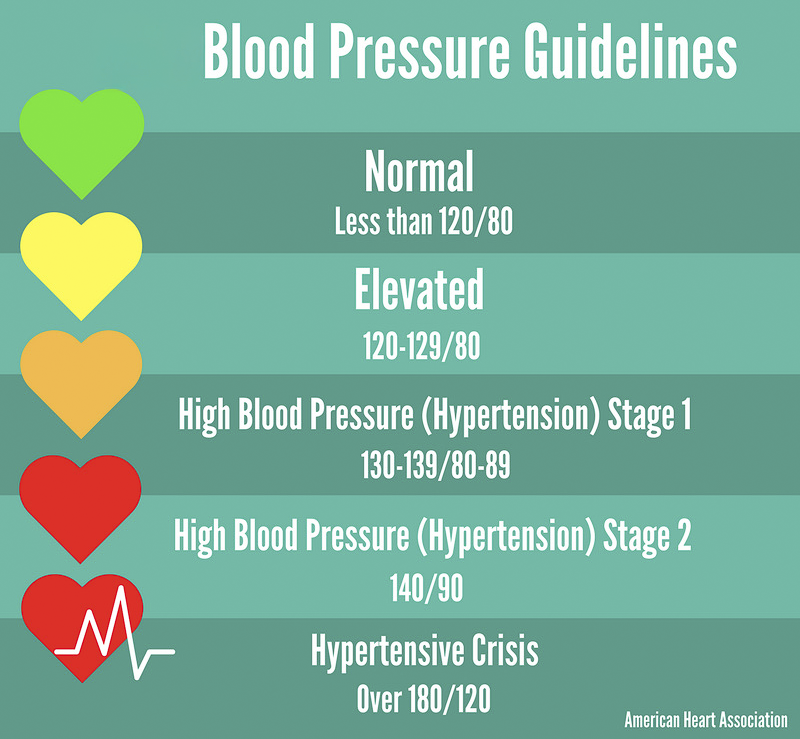
- Blood pressure guidelines place normal below 120/80 mmHg, while elevated blood pressure sits between 120-129 systolic with a diastolic below 80.
- Stage 1 hypertension ranges from 130-139 systolic or 80-89 diastolic.
- Stage 2 hypertension is defined as 140/90 mmHg or higher.
- A reading at or above 180/120 mmHg signals a hypertensive crisis.
- Symptoms can make even lower readings dangerous, particularly if they develop suddenly or alongside organ-related warning signs.
Understanding your blood pressure numbers is easier when you know what each figure actually represents. The systolic number reflects pressure in the arteries when the heart beats, while the diastolic number reflects pressure between beats.
- Both numbers matter, and an elevated diastolic reading can be just as concerning as a high systolic one.
- Blood pressure naturally fluctuates throughout the day, which is why consistently elevated readings are more significant than a single high measurement.
- Home monitors can help track trends, but they don't replace professional evaluation when readings are alarmingly high.
Stage 1 and Stage 2 hypertension ranges represent a spectrum of increasing cardiovascular risk that may require lifestyle changes, medication or both. Stage 2 in particular calls for prompt medical attention and consistent management.
- At Stage 1, the risk of heart disease and stroke begins to rise meaningfully.
- Stage 2 hypertension is associated with a higher likelihood of damage to the heart, kidneys and blood vessels over time.
- Many people at these stages have no obvious hypertension symptoms, which is why regular monitoring matters.
What counts as a hypertensive crisis is a reading of 180/120 mmHg or higher, especially when accompanied by any of the symptoms described above. At this level, the risk of organ damage becomes acute rather than gradual.
- A reading this high without symptoms may still constitute a hypertensive urgency requiring same-day care.
- With symptoms present, the situation escalates to a potential hypertensive emergency requiring emergency services.
- Don't wait to see if the number comes down on its own.
What should you do if your blood pressure is 180/120 or higher?
- Recheck your blood pressure. Make sure the cuff is positioned correctly and wait at least a minute before taking another reading.
- Check for emergency symptoms. Chest pain, shortness of breath, weakness, numbness, vision changes, confusion or trouble speaking require immediate action.
- Call 911 if symptoms are present. Do not drive yourself to the emergency room.
- Call your healthcare provider promptly if there are no symptoms but the reading remains very high. You may need medication changes or same-day guidance.
- Do not take extra blood pressure medication unless a clinician tells you to.
The American Heart Association recommends rechecking a severe reading and calling 911 when blood pressure is higher than 180/120 with symptoms such as chest pain, shortness of breath, numbness, weakness, vision change or difficulty speaking.
How to reduce your risk of dangerous blood pressure spikes
- Take blood pressure medications as prescribed.
- Track readings at home and bring them to appointments.
- Limit sodium if recommended by your provider.
- Stay physically active as advised.
- Avoid suddenly stopping blood pressure medication.
- Talk to your provider about readings that are consistently above your target range.
- Schedule a heart scan to get a clear picture of your overall heart health and potential risk factors contributing to heart disease.
Find a doctor at INTEGRIS Health
Next steps: Managing high blood pressure effectively starts with finding a provider who knows your history and can help you stay ahead of complications. If your blood pressure readings are consistently high, an INTEGRIS Health provider can help you create a plan to lower your risk for heart attack, stroke and kidney disease. Find a doctor at INTEGRIS Health today.
This article was medically reviewed by P. Myriah Rollins, M.D., a board-certified family medicine physician in Edmond, Oklahoma.

Schedule your heart scan today!
A quick heart scan from an advanced imaging system can give you a precise measure of calcium deposits in your arteries and a clear picture of your heart’s health, in less than a heartbeat.


