Diabetes Symptoms: Early Signs You Should Know
Posted in

Medically reviewed by Matthew Frantz, M.D.
Diabetes often develops gradually, making it easy to overlook subtle changes in how you feel. A little more thirst than usual or an occasional blurry day might not seem like a reason for concern. Yet these small changes can sometimes be the body’s way of signaling that blood sugar levels are rising. Understanding the early signs and symptoms of diabetes can help people seek testing, begin treatment sooner and reduce the risk of long-term complications.
“In primary care, we often see patients who have been living with increased thirst, frequent urination or persistent fatigue without realizing these changes may be connected to their blood sugar,” says Matthew Frantz, M.D., a board-certified family medicine physician with INTEGRIS Health Medical Group Deer Creek.
“These symptoms don’t always mean someone has diabetes, but when they persist, it’s important to discuss them with your doctor. A simple blood test can help identify prediabetes or diabetes early, when there are more opportunities to protect your long-term health.”
Why recognizing diabetes symptoms early matters
Recognizing symptoms early can make a significant difference in managing diabetes and preventing complications. Earlier diagnosis often allows people to take steps that improve blood sugar control and protect their long-term health.
- Early treatment may reduce the risk of nerve damage.
- Managing diabetes sooner can support heart health.
- Timely diagnosis may help protect vision and kidney function.
- Making lifestyle changes early may improve blood sugar control and reduce the risk of complications.
- Regular monitoring can help patients and their providers identify changes and adjust treatment to prevent symptoms from becoming more severe.
Common early diabetes warning signs and symptoms
Diabetes affects how the body processes glucose, which can lead to changes throughout multiple organ systems. Many of the signs and symptoms appear gradually, making them easy to dismiss at first.
Increased thirst
Often develops when high blood sugar causes the body to pull additional fluid from tissues. As fluid levels decrease, the brain receives signals to drink more water.
- You may feel thirsty even after drinking fluids.
- Dry mouth often occurs along with increased thirst.
- Cravings for cold drinks can become more frequent.
- Symptoms may worsen during physical activity.
- Constant thirst deserves medical attention when it doesn’t improve.
Frequent urination
Typically occurs because the kidneys work harder to remove excess glucose from the bloodstream. As glucose leaves the body through urine, additional water follows.
- Bathroom visits may become noticeably more frequent.
- Many people begin waking up at night to urinate.
- You may urinate larger amounts than usual.
- Increased urination often occurs with increased thirst.
- Symptoms may gradually become more disruptive over time.
Persistent fatigue
Can occur when the body struggles to use glucose efficiently for energy. Even routine activities may feel more tiring than usual.
- Energy levels may remain low throughout the day.
- Fatigue may persist even after adequate rest.
- Routine physical activity may feel more tiring than usual.
- Difficulty concentrating can accompany fatigue.
- Ongoing tiredness shouldn’t automatically be blamed on a busy schedule.
Blurry vision
May occur when elevated blood sugar affects fluid levels within the eyes. Vision changes can appear suddenly or come and go.
- Reading may become more difficult.
- Objects may seem temporarily out of focus.
- Vision changes can fluctuate during the day.
- Some people notice eye strain more frequently.
- New or persistent vision changes should be evaluated by a healthcare professional.
Understanding the seriousness of prediabetes
Prediabetes occurs when blood sugar levels are higher than normal but not yet high enough for a diabetes diagnosis. Without intervention, prediabetes can progress to type 2 diabetes and increase the risk of other health problems.
- More than 1 million Oklahoma adults are estimated to have prediabetes, according to the Oklahoma Diabetes Prevention Report.
- Prediabetes often causes no obvious symptoms.
- It may be possible to reduce the risk by managing your weight.
- Physical activity supports healthy blood sugar levels.
- Routine screening can help identify the condition early.
Foods to limit for type 2 diabetes prevention
No single food causes type 2 diabetes. However, eating patterns that contribute to weight gain, insulin resistance or frequent blood sugar spikes may increase your risk. Evidence-based approaches such as Mediterranean-style eating emphasize vegetables, whole fruits, beans, whole grains, fish and unsaturated fats. Consider limiting the following foods and drinks:
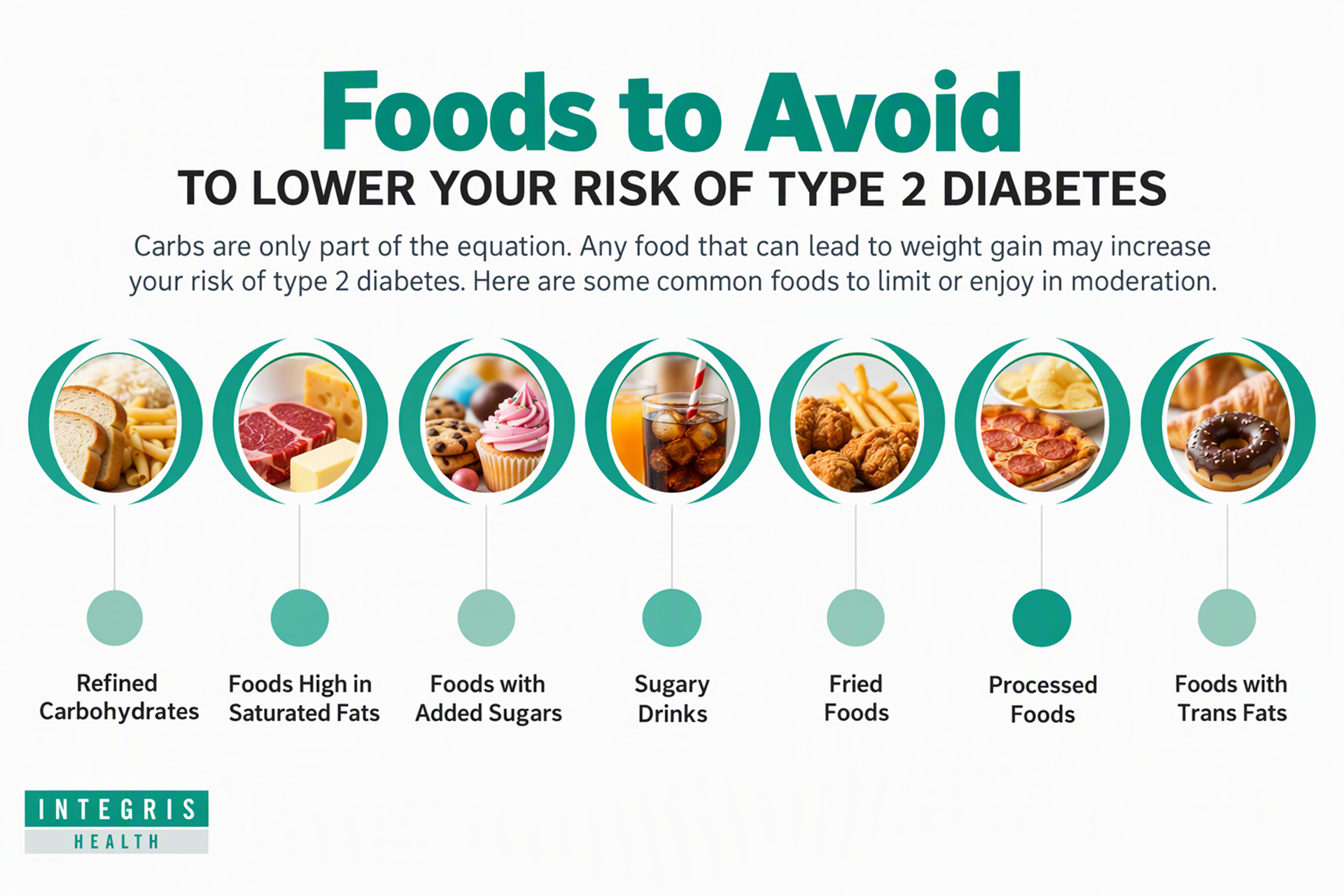
- Refined carbohydrates: Processing refined grains removes much of the bran and germ, reducing their fiber and nutrients. Foods such as white bread, crackers, chips, pretzels and refined-grain pasta are generally digested more quickly than fiber-rich whole grains. When possible, choose whole-grain bread, brown rice, oats, quinoa or whole-wheat pasta.
- Foods with added sugars: Candy, cookies, cakes, ice cream, sweetened yogurt, sauces and salad dressings can contain significant amounts of added sugar.
- Sugar-sweetened beverages: Regular soda, sweet tea, energy drinks, sports drinks and fruit drinks can provide large amounts of added sugar with little nutritional value. Frequent consumption has been associated with a higher risk of type 2 diabetes. Learn more about what happens to your body when you stop eating sugar.
- Foods high in saturated fat: Fatty or processed meats, butter, some full-fat dairy products, coconut oil and palm oil can be high in saturated fat. Instead of eliminating all dietary fat, emphasize unsaturated fats from foods such as nuts, seeds, avocados, olive oil and fish.
- Fried foods: Frequently eating fried foods may contribute to excess calorie intake and weight gain and may be associated with a higher risk of type 2 diabetes and cardiovascular disease. Baking, roasting, grilling or air-frying can reduce the amount of added oil.
- Highly processed foods: Packaged snacks, sweets and ready-to-eat foods often contain refined grains, added sugars, sodium or saturated fat while providing relatively little fiber.
Rather than eliminating carbohydrates or individual foods, focus on an overall eating pattern built around vegetables, whole fruits, beans, whole grains and healthy carbs, lean proteins and unsaturated fats.
What to expect from diabetes testing
Diabetes testing typically involves blood work. A provider may recommend a fasting blood glucose test, which measures your blood sugar after you have not eaten for at least eight hours, or an A1C test, which estimates your average blood sugar level during the past two to three months.
What your A1C result means
Because prediabetes often has no noticeable signs or symptoms, an A1C test may identify elevated blood sugar before you realize there is a problem.
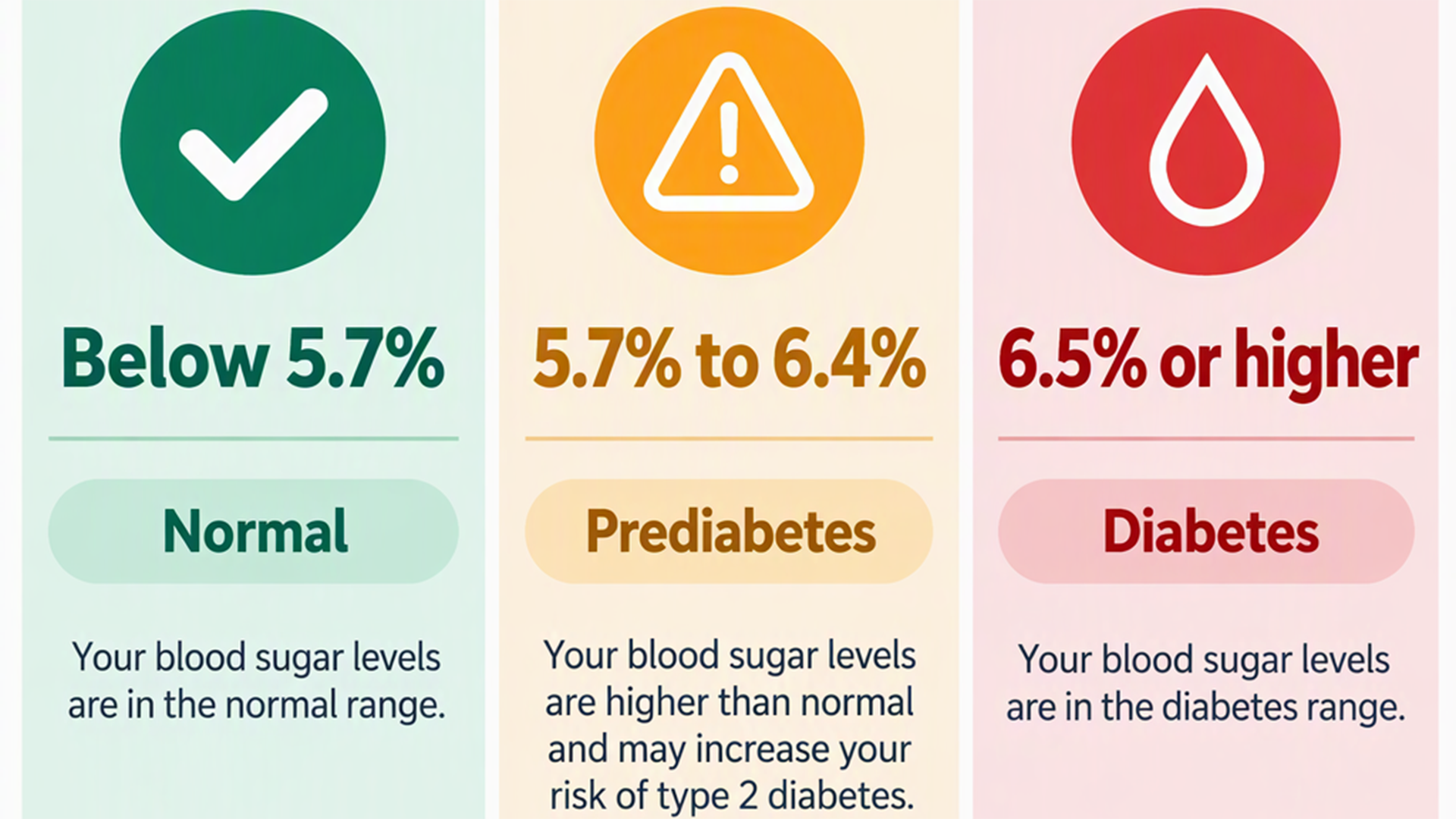
An A1C result of 6.5% or higher generally needs to be confirmed with repeat testing unless you have clear symptoms or another test supports the diagnosis. Your provider may recommend additional testing based on your symptoms, medical history and initial results.
Routine screening generally begins at age 35, but earlier testing may be appropriate if you have risk factors such as overweight or obesity, a family history of diabetes, high blood pressure or a history of gestational diabetes. Ask your provider when and how often you should be screened.
Talk with an INTEGRIS Health doctor
Symptoms such as increased thirst, frequent urination, fatigue and blurry vision shouldn’t be ignored. However, you may be at risk for diabetes even without symptoms, which is one reason routine screening is recommended.
An INTEGRIS Health doctor can evaluate your symptoms, order appropriate testing and determine whether diabetes, prediabetes or another condition may be responsible.
Find an INTEGRIS Health doctor to schedule an evaluation. If you are living with diabetes or need support with nutrition and lifestyle changes, learn more about INTEGRIS Health Diabetes and Nutrition Services, which offers diabetes education, individualized self-management training and medical nutrition therapy.