Most people associate aging well with how they look, but the habits that actually add quality years to your life have very little to do with appearance. Discover INTEGRIS Health's healthy aging tips to help you move, think and feel better. This guide covers the daily practices that support a sharper mind, a stronger body and a more resilient sense of well-being. Small shifts that, over time, make a real difference in how you live.
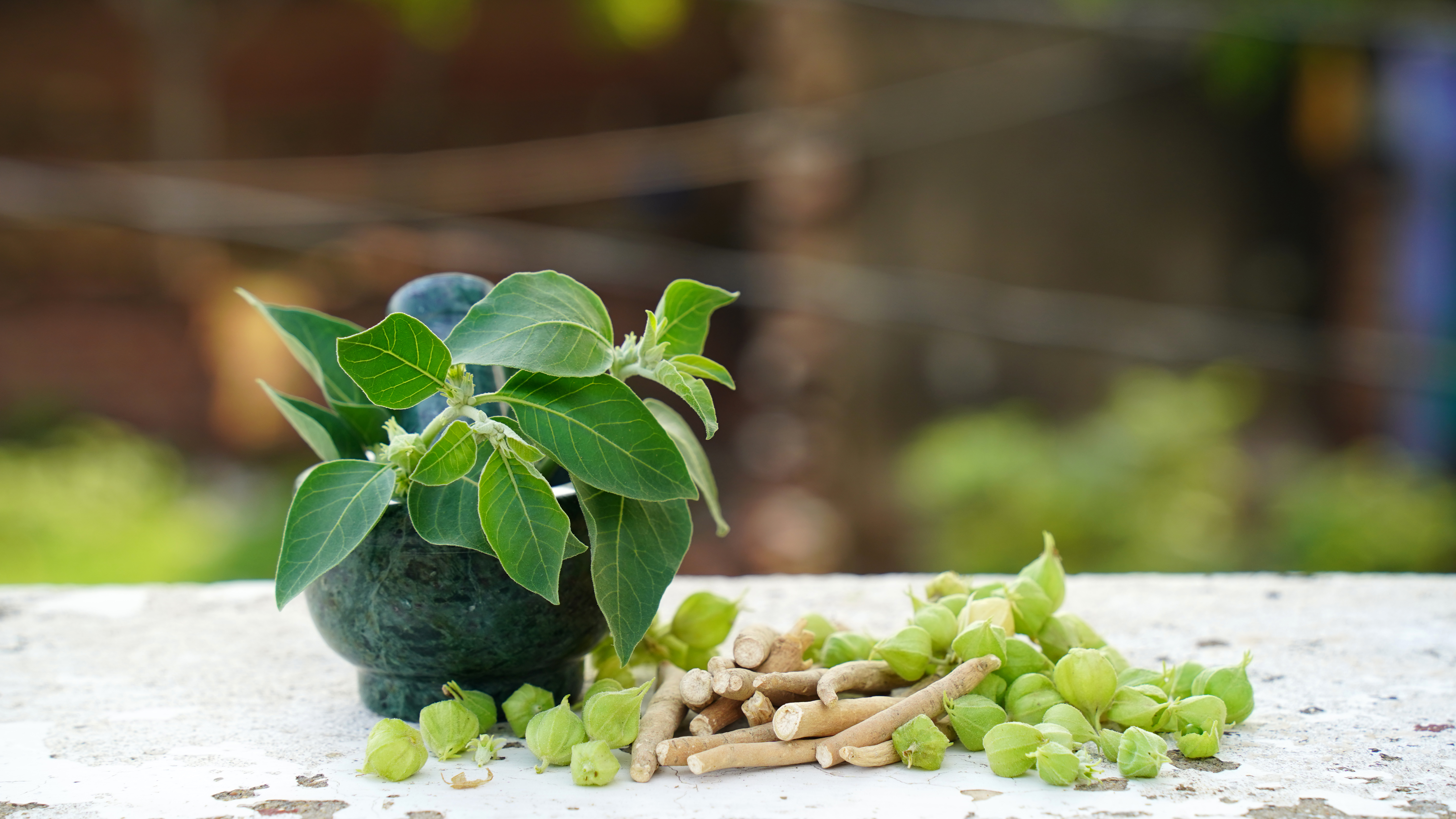
With the relentless pace of modern life, stress and anxiety have become pervasive challenges affecting millions. Coping with these pressures necessitates a holistic approach to well-being, and one natural solution that has gained widespread attention is ashwagandha.
This ancient adaptogenic herb, rooted in traditional Ayurvedic medicine, has been lauded for its potential to alleviate stress and anxiety. The use of ashwagandha has vast scientific evidence, and practical applications in managing stress and anxiety.
In the fast-paced world we live in, where stress and anxiety are often unwelcome companions, people are increasingly turning to alternative wellness practices to find balance and relaxation. One such practice gaining popularity is the sound bath. But what exactly is a sound bath, and how does it contribute to our well-being? Let’s delve into the origins, components, benefits and experiences of a sound bath to understand its growing appeal, as well as the potential impact of this meditative practice and its many health benefits.
People often assume exhaustion looks like someone who can barely get out of bed. The reality is much more complex for many individuals managing daily life. You might go to work, take care of your family and keep your house clean while running on empty. Pushing through daily tasks requires immense effort when your internal battery is completely drained. Friends and coworkers see a capable person handling responsibilities without issue. They miss the hidden struggle happening beneath the surface.
Growing up has always had its challenges, but today’s teens face a digital world that can make things even more complicated. Social media likes, comments and shares can feel just as important as real-life conversations. At INTEGRIS Health, we know that helping your teen find a healthy balance with technology is a top concern for many families. While smartphones help us stay connected, they can also impact your child’s self-esteem, sleep and overall well-being.
Imagine this scenario: You're invited to a party or a social gathering, and your heart starts pounding, your palms get sweaty and you feel an overwhelming urge to escape. Social anxiety, also known as social phobia, can turn seemingly ordinary social situations into terrifying ordeals, leaving you feeling self-conscious and anxious.
When most people think of post-traumatic stress disorder (PTSD), they picture major catastrophic events like military combat or violent assaults. While these experiences certainly can lead to trauma, it’s important to recognize that PTSD in children can also stem from less extreme sources. The constant drip of smaller repeated stressors can be just as damaging as a single overwhelming event.
Parenting is often described as the most difficult job in the world. That description actually undersells the emotional weight of the task. You are the safety net, the cheerleader and the disciplinarian all rolled into one. You spend years learning the unique language of your child. Then one day, the signals change, and you begin to wonder if this is just a phase or if your child needs a psychologist.
After weeks of celebrations, gatherings and rich food, the quiet of January can feel abrupt. If you’re feeling sluggish and down, you’re not alone. Many people experience a dip in their mood and energy levels after the holiday season. Reclaiming your energy during the post-holiday blues is essential for starting the new year on the right foot.
December often arrives with a rush of activities, from holiday shopping and festive parties to family gatherings and year-end deadlines. This busy season can easily become overwhelming, transforming a time of joy into a period of stress. Get some effective stress relief techniques from INTEGRIS Health in Oklahoma City, OK. Learning how to manage holiday pressures is key to finding peace and making sure you can enjoy the season.
The holiday season is supposed to be filled with joy and family gatherings. Sadly, it can also bring a whirlwind of stress, with busy schedules, long to-do lists and the pressure to create a perfect holiday experience. This guide offers a simple, day-by-day approach to help you prioritize your well-being during the most hectic time of the year.
The holidays bring joy, celebration and togetherness, but they can also trigger mental health challenges that often go unnoticed. Many people experience what’s commonly referred to as the “holiday blues,” while others may develop more serious seasonal depression that requires professional help. Our mental health experts want to help you understand that recognizing emotional distress in loved ones, particularly seasonal sadness in loved ones, is the first step toward providing meaningful support.
Practicing gratitude may sound like nothing more than thinking happy thoughts, but the health benefits can be powerful. It’s a simple yet powerful way to shift your focus from what’s wrong in your life to what’s right. This simple thankfulness practice can have a big impact on your overall well-being.
Losing a loved one to sudden loss can feel like having the ground swept out from under you. Whether caused by a heart attack, accident or unexpected event, the grieving process that follows can feel overwhelming. Bereaved people may experience shock, confusion and feelings of guilt, all while trying to process the unexpected loss of someone they love.
Stress shows up in more ways than we expect. It can cause headaches, upset stomach, sleep problems and more. When stress builds up, it affects your body and your mood. But here’s the good news: the kitchen might help. Certain foods help your body handle stress. They support your brain, calm inflammation and give your body the nutrients it needs to feel better.
Health isn’t just about blood pressure, calories or lab results. It’s also about how you feel, think and connect with the world around you. Holistic health looks at the full picture. It sees your body, mind and spirit as one system, not separate parts. When one area is out of balance, it can affect everything else.
Busy is often worn like a badge of honor. But always rushing, always doing, can wear you down. Over time, it takes a toll on both your body and your mind. That’s where slow living comes in. It’s a mindset that encourages you to pause and consider what truly adds value to your life.
Detoxification, often referred to simply as "detox," is the essential first step on the road to overcoming addiction. Whether you're facing alcohol addiction, opioid dependence or another substance use disorder, detox prepares your body and mind for the recovery journey ahead.
When most of us think about depression, we picture someone unable to get out of bed, overwhelmed by sadness or isolated from the world. While this is a reality for many, there’s another side of depression that often goes unnoticed – high-functioning depression.
Anxiety is something many people grapple with daily, but for some, it can peak during the quiet hours of the night. If you’ve experienced this, you’re not alone. Nighttime anxiety is common and can feel especially overwhelming when the rest of the world is sleeping. Understanding why this happens and what you can do to manage it can bring relief and help you take control of your evenings.
Stress has become an almost constant part of life in today’s fast-paced world, affecting everything from how you think to how you feel physically. While occasional stress is a normal response to challenges, chronic stress can take a heavy toll on the body over time.
Participating in self-care Sunday is a great way to reset and recharge for the upcoming week. It's all about dedicating a day to relax and replenish your body and mind. By carving out this special time for yourself, you're prioritizing your well-being and showing yourself some much-deserved love and care.
The holiday season can be filled with fun traditions and time with family, but it also comes with its own set of challenges that can be hard on mental health. For many people, their mental health ends up declining during the holidays. In this blog, we have five of our best tips for maintaining your mental health during the holidays.
November is a time when mustaches take center stage, but it's not just about style – it's about striking up conversations and raising awareness for men's health. Movember, a global movement, is dedicated to bringing attention to pressing men’s health issues such as prostate cancer, testicular cancer and mental health challenges.
In the quest for healing from trauma, somatic therapy is a unique alternative that emphasizes the connection between mind and body. While this therapeutic approach may not be suitable for everyone, it offers benefits for individuals dealing with PTSD and other mental health conditions by focusing on physical sensations and body awareness.
October is Depression Awareness Month. In this blog, we speak with Cassandra Deford, director of clinical programs behavioral health, about depression and mental health conditions to learn more.
If you or someone you know is going through physical, recreational, occupational or speech therapy, you probably already know how challenging it can be. But did you know that joining a support group can make a world of difference?
In today's fast-paced world filled with constant stimuli, distractions and stressors, the practice of mindfulness meditation is a way to discover your true inner self. Mindfulness meditation offers a journey toward inner clarity and balance, one that embraces the power of the present moment and deepens self-awareness. We unravel the transformative effects of mindfulness meditation on enhancing emotional well-being and how to foster a deeper sense of presence in your day-to-day routine.
Building resilience and developing effective coping strategies are essential skills for navigating life's challenges with grace and strength. In this blog, we define what it actually means to be resilient, explore how building resilience can empower you to face adversity head-on and provide tips on how to put these skills into practice.
Sadness is a common but unpleasant emotion – it’s one of the six basic emotions alongside fear, happiness, anger, surprise and disgust. Sadness is also inherently viewed as negative, but as science has indicated, it’s not always a bad thing. Take music, for example – the brain is actually capable of receiving pleasure from sounds and lyrics that focus on sadness.