Most people associate aging well with how they look, but the habits that actually add quality years to your life have very little to do with appearance. Discover INTEGRIS Health's healthy aging tips to help you move, think and feel better. This guide covers the daily practices that support a sharper mind, a stronger body and a more resilient sense of well-being. Small shifts that, over time, make a real difference in how you live.
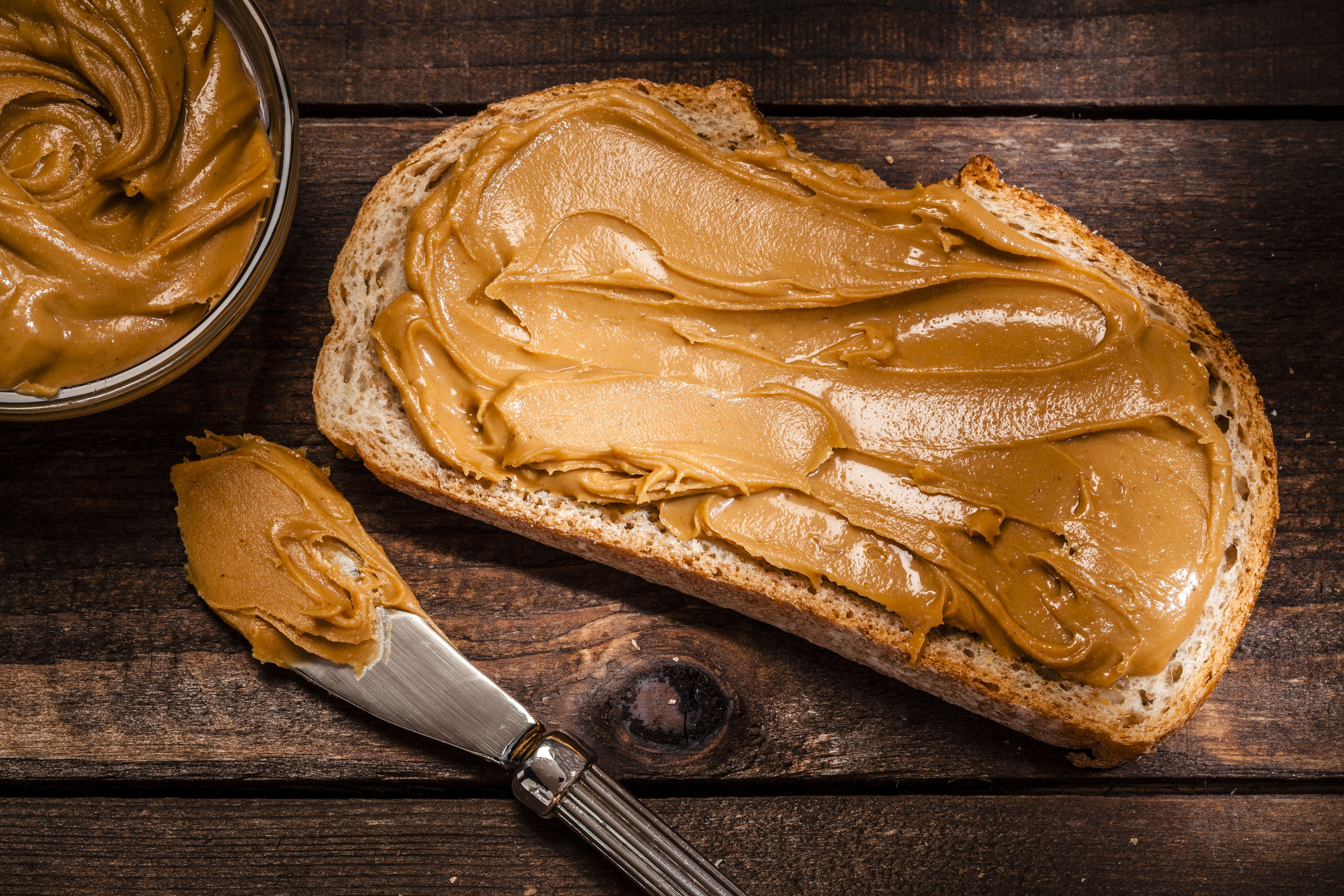
Patients frequently ask doctors at INTEGRIS Health, “Is peanut butter bad for cholesterol?” It makes sense to wonder about a food so rich and creamy. Many of us grew up eating it every day. Now, as adults, we worry about our cardiovascular health. Let us look at the facts and figure out if this pantry staple helps or hurts your lipid levels.
Losing a significant amount of weight is an incredible achievement that transforms your overall health and well-being. It takes dedication, hard work and a complete lifestyle overhaul to reach your goals. Loose and sagging skin can feel like a cruel reward for your hard work, but there are things you can do to help.
Have you ever found yourself wandering into the kitchen just an hour after lunch? You might stare into the fridge and wonder if your body actually needs food. Your mind is hungry, but your body isn’t. This is easily explained by understanding the three types of hunger. Understanding these signals is a great step toward building a better relationship with what you eat.
Plant-based diets are no longer just a trend – they’ve become a lifestyle choice embraced by people for a variety of compelling reasons. From health benefits to environmental concerns and ethical values, the shift toward more plant-centric eating has gained momentum in recent years. But how did it all start, and what’s fueling this growing movement?
Choosing a treatment plan after being diagnosed with type 2 diabetes, obesity, moderate to severe sleep apnea and/or coronary artery disease can be stressful. At INTEGRIS Health, we offer injectable and oral GLP-1 medications that help manage blood sugar and support weight loss, while also helping mitigate other possible comorbid conditions. These treatments work by copying natural hormones that control appetite and insulin.
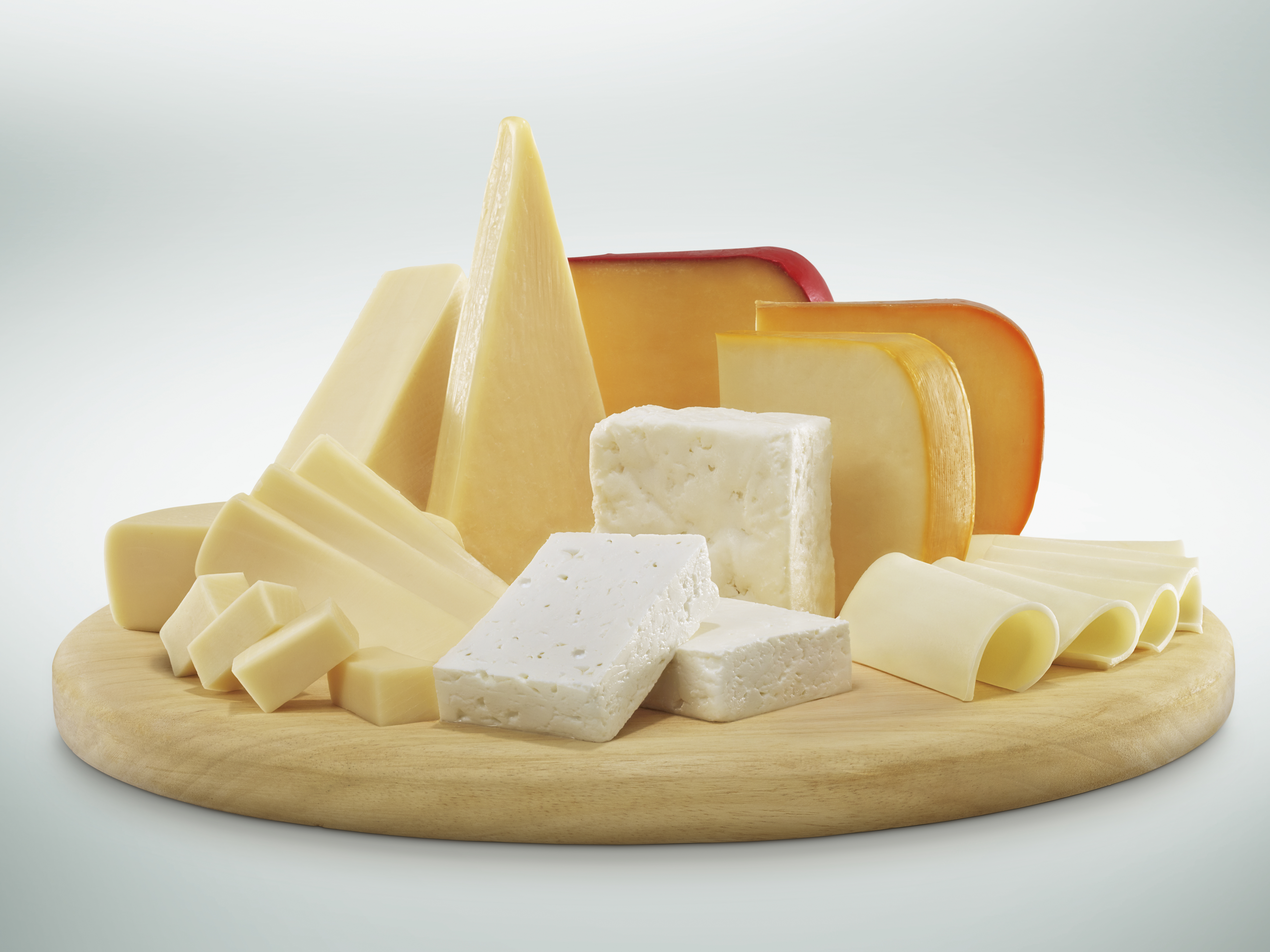
Cheese often gets a bad rap in the nutrition world, usually labeled as a guilty pleasure or a diet-wrecker due to its fat content. Yet, for many of us, a life without melted mozzarella or a sharp cheddar seems dull and flavorless. We are here to separate fact from fiction and show you how this dairy staple can fit into a balanced lifestyle.
Probiotic sodas are bubbling up everywhere, promising to refresh your taste buds while supporting your digestive health. These fizzy drinks blend the familiar satisfaction of soda with the added benefit of beneficial bacteria for your gut. Wondering about the trend of probiotic sodas?
We'll explore what makes these beverages different from traditional soft drinks, examine their potential benefits and help you make informed choices about incorporating them into your wellness routine.
Since 2020, irritable bowel syndrome (IBS) diagnoses in the United States have continued to go up. From 2020-2022, the prevalence of IBS nearly doubled. The symptoms that come with IBS, like digestive discomfort and abdominal pain, can result in a major decrease in quality of life.
Creatine is one of the most researched and popular supplements for improving physical performance, but there are now more ways to take it. Creatine gummies are a convenient, flavorful alternative to traditional creatine powders, but are they better?