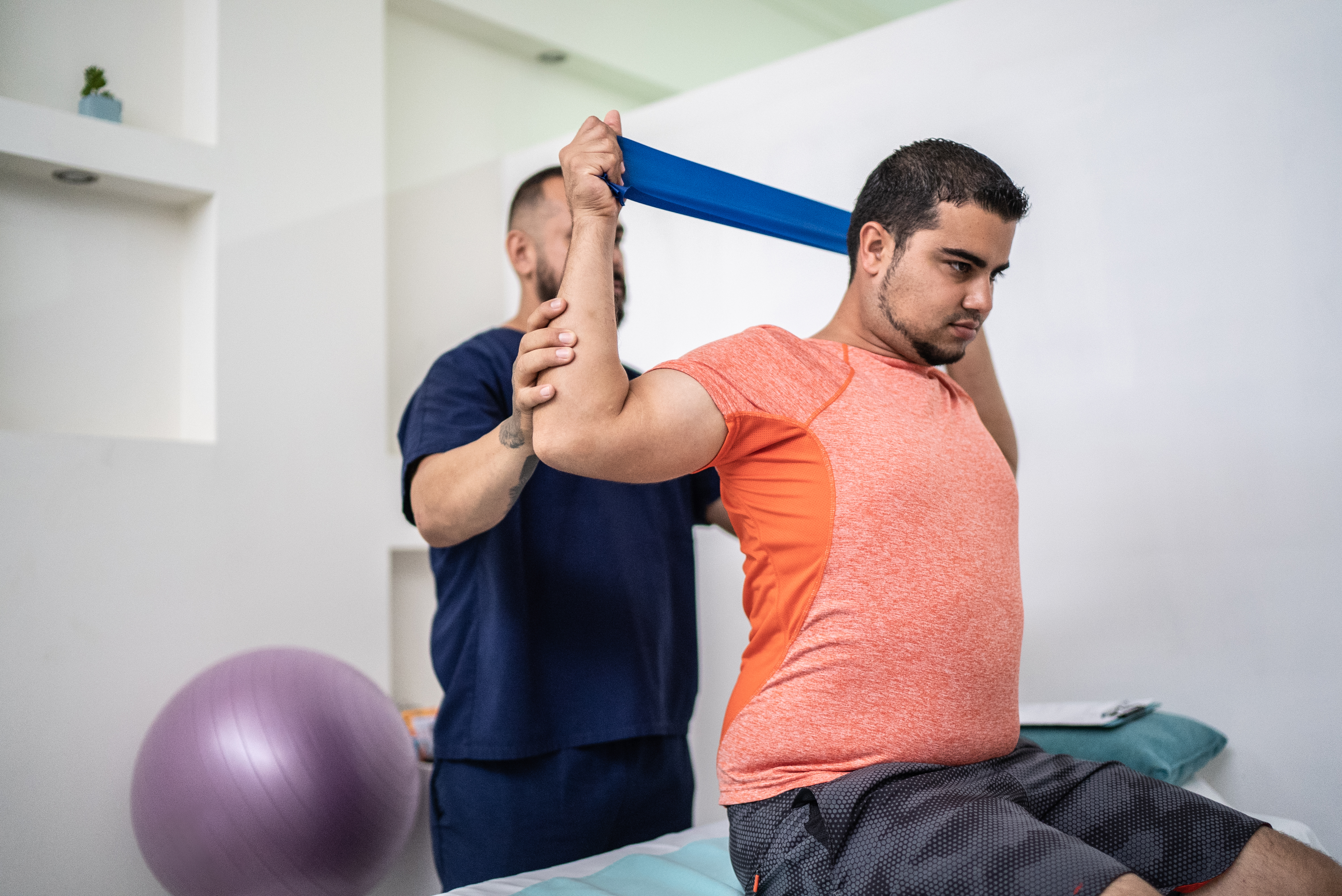
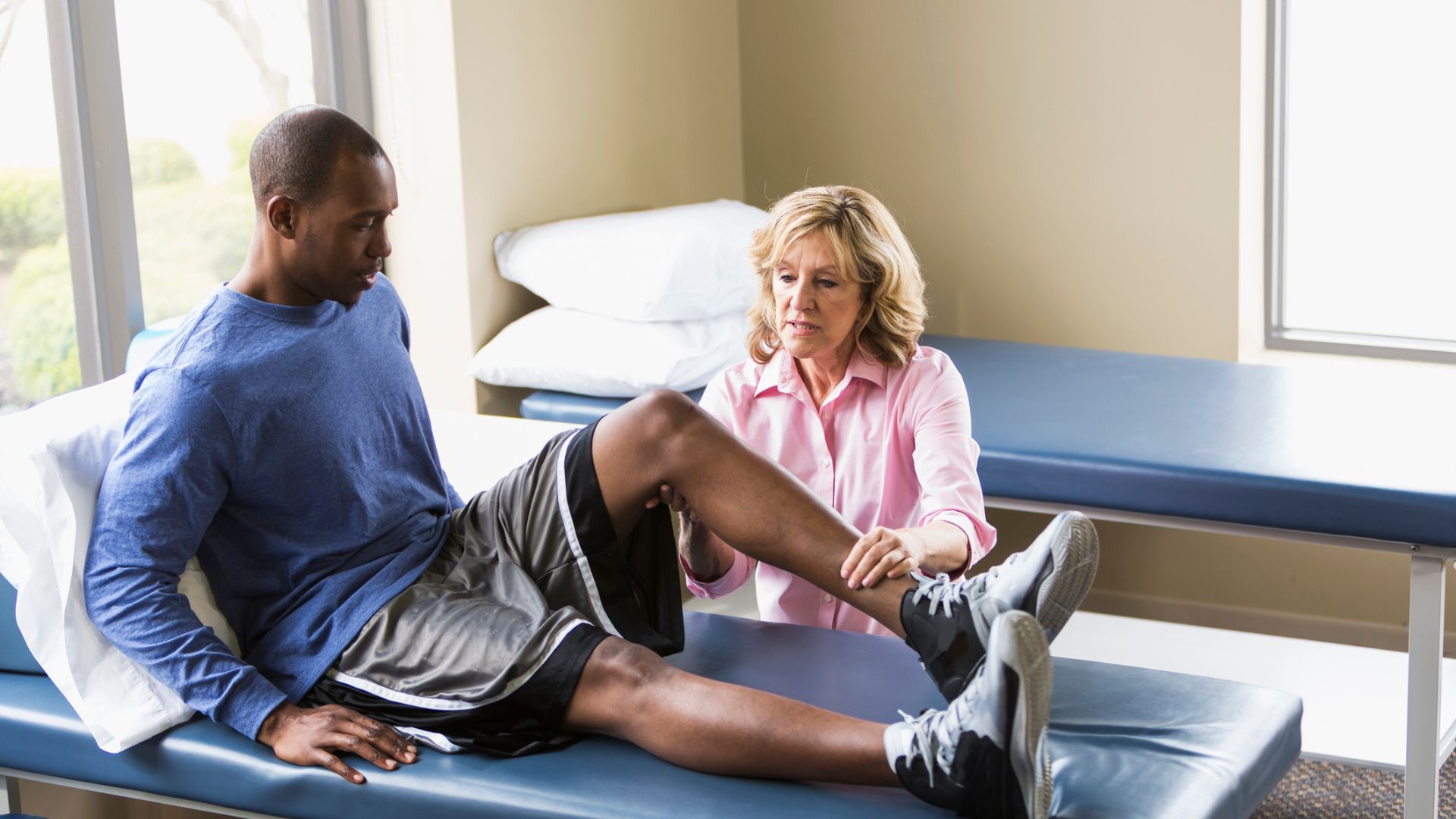
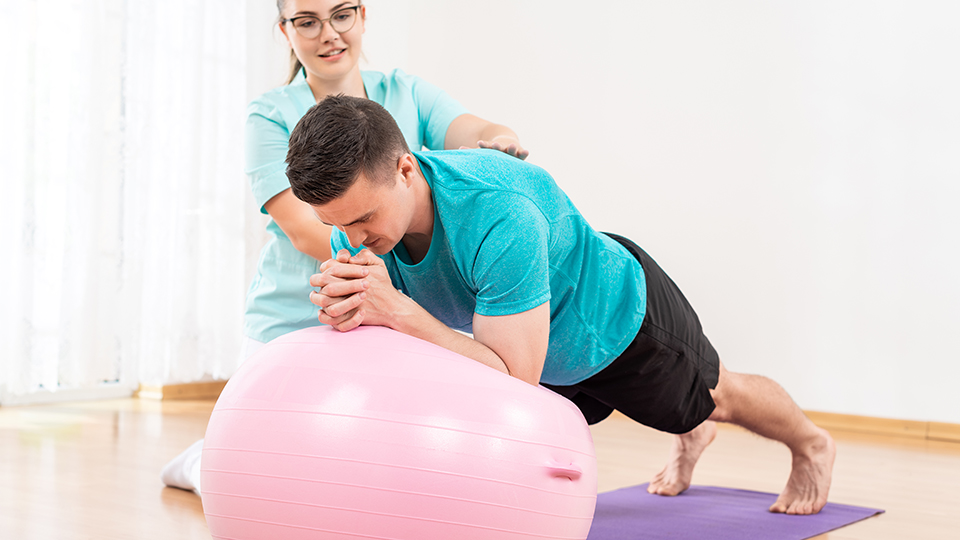
Knee or hip pain can gradually change how you sleep, move and participate in everyday activities. If pain or stiffness continues despite medication, physical therapy, activity changes or injections, it may be time to talk with an orthopedic specialist.
The musculoskeletal system frequently signals underlying pathology through pain or functional limitation. While transient discomfort after activity is common, persistent or progressive symptoms may indicate structural, inflammatory or neurologic conditions that benefit from early evaluation. Knowing when discomfort is temporary or when it is a sign of a bigger problem is important for recovery.
Muscle soreness is something almost everyone experiences – whether it’s from a tough workout, prolonged sitting or unexpected strain. By understanding its causes and remedies, you can find relief and stay active while supporting your overall well-being.
It’s easy to take your ankles for granted – until they’re not working as they should. The simple act of rolling your ankle in a circular motion might seem effortless, but behind the scenes, a complex team of bones, ligaments, tendons and muscles is hard at work.
Choosing the right specialist when you’re dealing with an injury or health issue can sometimes feel confusing, especially when it comes to surgery. Should you see an orthopedic surgeon for your knee pain, or is a general surgeon the right call for treating that hernia? Understanding the differences between these two types of surgeons can make the difference in getting the proper care.
Sciatica is often misunderstood as just another type of back pain. But one area often affected is the hips, leading many to wonder if their hip discomfort is related to sciatica rather than a localized issue. So, can sciatica cause hip pain?
Cortisone shots are a well-known treatment for managing pain and inflammation. While effective, they might leave you wondering, “How long does a cortisone shot last?”
Every athlete, from professionals to weekend joggers, faces the risk of injury during physical activity. Fortunately, about 90 percent of these injuries can be effectively treated without surgery, thanks to the growing field of sports medicine.
Intercostal muscle strains, which affect the muscles between your ribs, can make even the simplest things such as breathing or finding a good sleeping position feel frustratingly painful. But rest is key to healing, so finding ways to sleep better is an important part of recovery.
Knee pain is an issue many people deal with, and for good reason. Our knees work hard every day, from walking to sitting to bending. When pain appears behind the knee, particularly pain behind the knee when bending or pain behind the knee when walking, it can affect your ability to move freely and comfortably.
Ankle injuries, which can include ligament overstretching or tearing and bone fractures, are common orthopedic injuries that affect athletes and individuals of all kinds. When ankle pain occurs, it’s easy to confuse sprains and fractures because the symptoms can feel similar.
Stretching – the simple act of reaching, bending and lengthening our muscles – is more than just about touching your toes or reaching for the sky; it's a gentle invitation for your body to unwind, relax and revitalize.
Between radiating neck pain and tingling sensations to your arm, dealing with a pinched nerve in your neck or shoulder can be a nuisance. If you are one of the many Americans who suffer from this spinal issue, the good news is there are many approaches to help reduce discomfort and speed up healing.
Despite the prevalence of back pain on millions of Americans, only those who have lived with it truly understand the toll it takes – not just on the body, but on every aspect of daily life. The constant discomfort, the struggle to move freely and the frustration of feeling held back can be overwhelming.
When it comes to sitting-related pain, most people picture a stiff neck or an aching back, but knee pain is also a surprisingly common issue that often goes overlooked.
Hip replacements have long been associated with older adults in their 70s and beyond. However, a growing trend has emerged, with more people opting for this procedure in their 40s and 50s. This shift isn’t just a coincidence – it reflects advancements in medical technology, changes in lifestyle and the pursuit of a better quality of life. This blog will explore the reasons behind this trend, the recovery advantages of getting a hip replacement earlier and the pros and cons of taking this step at a younger age.
Rheumatoid arthritis has become one of the most common forms of inflammatory arthritis. There are now dozens of medications to both treat and slow down its progression, but side effects may occur and vary by person.
For many people, cracking the knuckles of your hands is a satisfying routine. That sharp "pop" can bring a sense of relief, a momentary escape from tension or even just a comforting habit during idle moments.
But while it might feel good, have you ever wondered if this common pastime could affect the health of your hands?
There isn’t a cure for chronic pain, so many times, patients will turn to medications for chronic pain relief, such as over-the-counter nonsteroidal anti-inflammatory drugs (NSAIDs) or opioids. But more conservative treatments such as physical therapy can help without being tied to as many side effects as medications – long-term NSAID use can cause gastrointestinal problems and prescription painkillers have addictive properties.
The decision on when to get knee replacement surgery is a topic many Americans struggle with. In 2020, Northwestern Medicine published a study that found 90 percent of people waited too long to fix their knee with joint replacement surgery, and 25 percent of people who had it done did so prematurely.
While many fitness programs marketed to women emphasize the importance of cardio for weight loss, resistance/strength training (aka weightlifting) is actually more beneficial for overall health. Because some of its benefits aren't found in other forms of exercise, experts recommend women participate in both cardio and strength training regularly.
Balancing is a complex operation, involving multiple systems in your body. We share how balance works, information about the types of balance disorders and ways to improve your balance.
Bones aren’t static. They’re changing all the time, breaking down old bone and making new, healthy bone. When we’re younger, new bone grows fast. It outpaces the breaking down of old bone, resulting in increased bone mass. We explain how to keep your bones strong and why it's important.
Sometimes joint pain is just an annoyance, one that comes and goes. But in more severe cases joint pain or stiffness can be disruptive and can hinder your ability to accomplish daily tasks, even those as simple as climbing a flight of stairs or getting a good night’s sleep.
Balance and coordination are key aspects of your health as you age. Older adults are more at risk at falls than any other demographic, accounting for 25 percent of falls each year. To help prevent falls, we’re highlighting nine different exercises that can help seniors improve their balance.
Frailty makes daily life more difficult, uncomfortable and dangerous. Frailty syndrome is a diagnosis defined by age-related decreases in normal/daily function. It sounds a little vague, but what it comes down to is loss of muscle, stamina, endurance, general fitness and sometimes weight.
Scoliosis is a common spine condition that affects millions of Americans, many of whom are children and adolescents. Scoliosis affects adults, too, and while some cases are mild, many experience moderate to severe issues from a condition known as degenerative adult scoliosis.
To help keep you and your family safe this winter, David B. Parker, M.D., an orthopedic surgeon at INTEGRIS Baptist Medical Center, provides information and insight into common orthopedic injuries during the colder months some tips on how to stay safe.