


As part of National Stroke Awareness Month, Ashish Masih, M.D., a board-certified neurologist with the INTEGRIS Health James R. Daniel Stroke Center, is calling attention to the silent factors that increase a person’s risk for stroke.
A stroke is a brain attack that happens when blood flow to an area of the brain is cut off.
The facts
 As part of National Stroke Awareness Month, Ashish Masih, M.D., a board-certified neurologist with the INTEGRIS Health James R. Daniel Stroke Center, is calling attention to the silent factors that increase a person’s risk for stroke.
“A stroke can strike without warning, altering life in an instant,” Masih says. “While some risk factors such as high blood pressure and smoking are widely recognized, others such as silent brain infarctions, sleep apnea or even chronic stress can be considered silent factors raising your chances of stroke.”
Silent stroke risk factors
The following hidden risks can often go unnoticed, making regular health monitoring essential.
Symptoms of a stroke
Masih adds that awareness of the most common signs and symptoms of a stroke is important because immediate treatment can mean the difference between permanent brain damage or disability and making a full recovery.
Check out the BEFASTT acronym to know what to look out for.
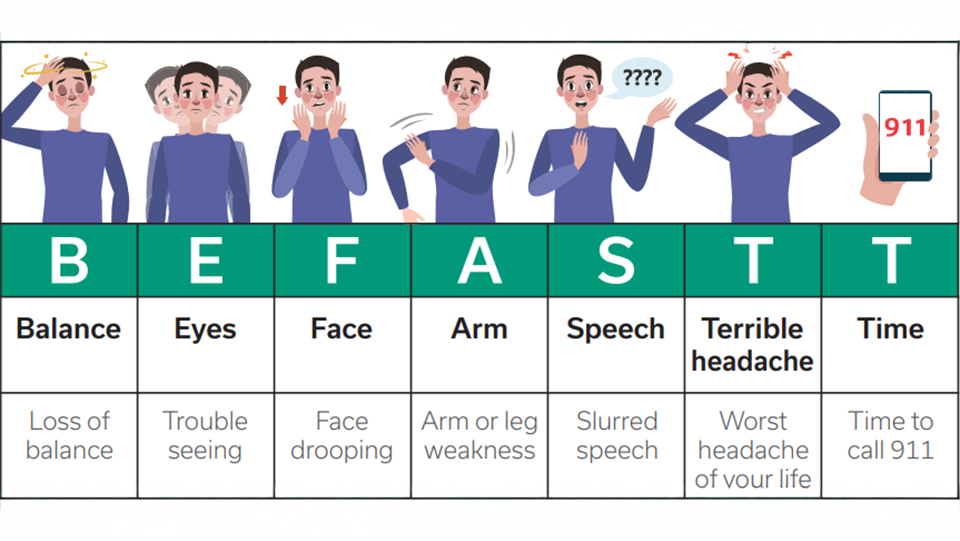
The effects of a stroke are different depending on the type of stroke a person suffers, how many brain cells die and where in the brain the stroke occurs. Call 911 right away if you or a loved one experience stroke symptoms. Every second matters.
“The care you receive in the first few moments after a stroke is essential,” Masih says. “Our team is available 24/7 to help stroke patients with a variety of treatment options. We know how much even a second matters when it comes to helping stroke patients and that’s why we are committed to being available to you.”
If you know you're at a higher risk for a stroke – or even if you're unsure – now is the time to reach out to your doctor. They can help you identify your personal risk factors, clarify silent risks you might not be aware of and discuss ways to reduce those risks.

Schedule an appointment online from a list of our primary care providers and pediatricians. New patients are able to schedule an appointment up to 14 days in advance. Skip the hassle of phone tag with your physician office and book your appointment at your convenience.


