


Breast Cancer at 39: How a Breast Lump Led to an Early Diagnosis
Posted in

After discovering a breast lump during a self-exam, award-winning baker Stefanie Embree sought care right away. Her experience shows why women should recognize changes in their bodies and speak up when something does not feel right.
Stefanie Embree’s dreams were coming true.
The Oklahoma City baker and founder of OKC Sweets had recently won a major television baking competition. New opportunities followed, including speaking engagements, appearances and travel.
“I was traveling every month and really going at such a breakneck speed with all of that,” Embree says.
Then, only months after reaching one of the highest points of her career, everything stopped.
During a breast self-exam, Embree noticed a lump. With a full schedule and an international trip only days away, it would have been easy to postpone getting it checked. At 39, she also could have assumed it was probably nothing.
Instead, Embree acted quickly.
The following day, she met with Sarah Miller, an advanced practice provider who works with Nicole Sharp Cottrell, M.D., a board-certified and fellowship-trained breast surgical oncologist at INTEGRIS Health Medical Group Breast Surgery. Miller arranged for Embree to receive a diagnostic mammogram and breast ultrasound the next day.
Within days of discovering the lump, Embree was getting answers.
Can a mammogram miss a breast lump?
Embree’s mammogram initially offered some reassurance, but the ultrasound raised concerns that required further evaluation.
Embree has dense breast tissue, which can make abnormalities more difficult to see on a mammogram. Although her mammogram did not reveal an obvious problem, the ultrasound showed features that warranted a closer look.
A biopsy followed that afternoon. By Monday morning, Embree had her diagnosis.
“I just kind of felt in my gut like I knew it was going to be cancer,” she says. “We caught it really early. The fact that I caught it with a self-exam, I think, made a huge impact on my journey.”
Embree’s experience highlights the importance of breast self-awareness, according to Sharp Cottrell. While breast self-exams do not replace recommended mammograms or other screening, women should be familiar with how their breasts normally look and feel. Any new or unusual change should be evaluated by a healthcare professional.
Because Embree could identify the lump she felt, her care team continued the diagnostic process with focused imaging and ultrasound, even though the mammogram did not show a clear abnormality.
“This could have very easily, if Stefanie would not have said, ‘I feel a lump in my breast,’ resulted in a delay in diagnosis,” Sharp Cottrell says.
Imaging is an essential part of breast cancer screening and diagnosis, but patients also provide valuable information. If something feels different, communicate that concern clearly and ask what additional evaluation may be appropriate.
What happens after a stage 1 breast cancer diagnosis?
Embree was diagnosed with stage 1 breast cancer.
Her care team moved quickly to complete additional testing, including a breast MRI and genetic testing. Through the INTEGRIS Health Comprehensive Breast Center, patients can access coordinated breast care that includes imaging, breast surgery, medical oncology, genetic services and other specialties.
Because Embree’s cancer was found early, she had time to understand her diagnosis and consider her treatment options.
After discussing those options with Sharp Cottrell and her family, she chose to have a double mastectomy followed by breast reconstruction. Pathology later identified high-risk atypical cells in her other breast, reinforcing for Embree that she had made the right decision for her circumstances.
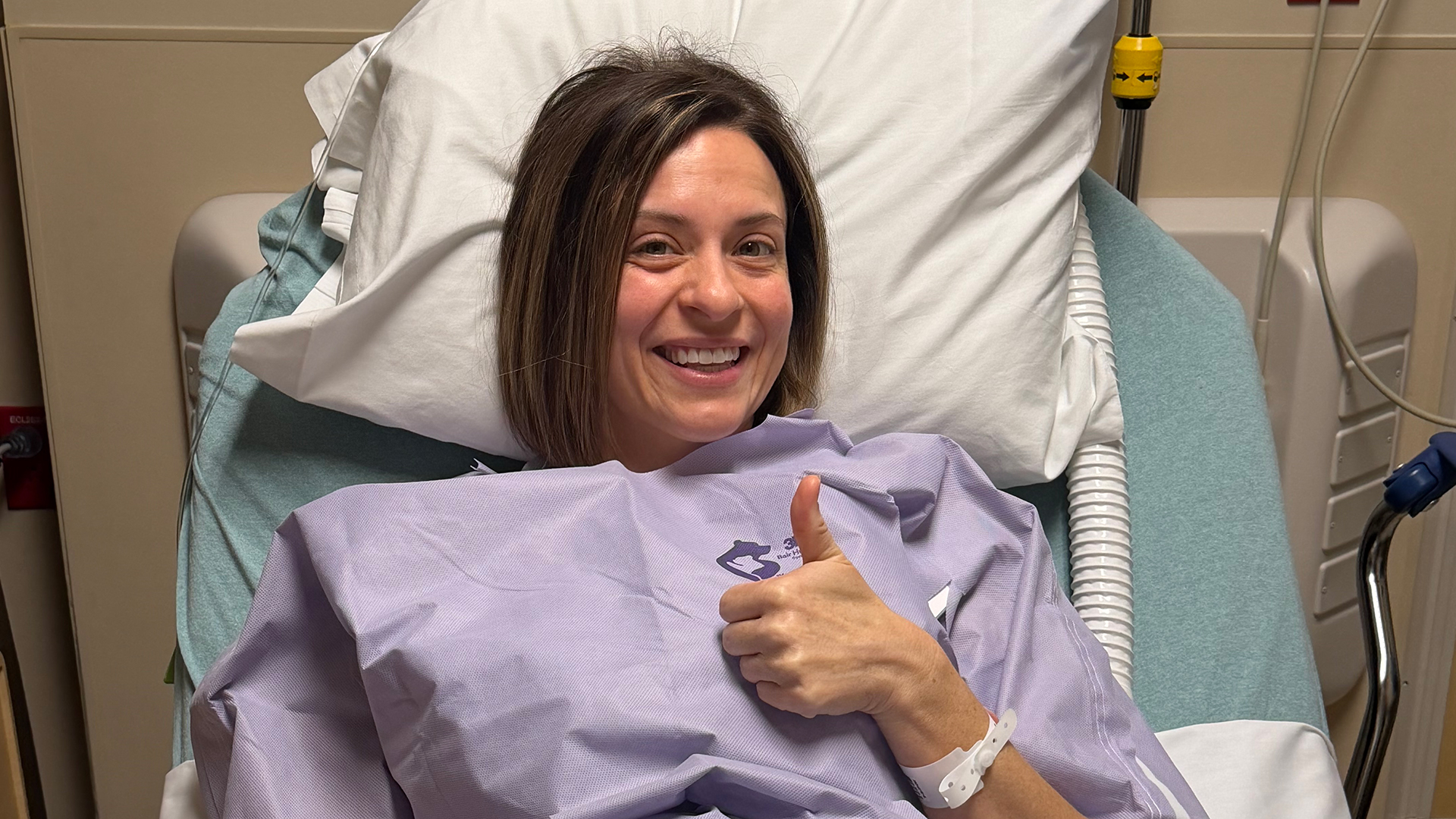
The right breast cancer treatment is not the same for every patient. Recommendations may depend on the cancer’s stage and characteristics, genetic risk, personal health and the patient’s individual needs and goals.
For Embree, having the information and support to make her own decision mattered.
“I never felt like Dr. Sharp was trying to push me in any certain direction,” she says. “I really felt like everybody wanted me to make the best choice for myself. And I’m really thankful that I made that choice.”
Breast cancer follow-up care: What happens after treatment?
Finishing surgery or another active treatment does not necessarily mean breast cancer care is over.
Embree continues to see INTEGRIS Health medical oncologist JaNae Clapp, M.D., and takes tamoxifen to help reduce her risk of breast cancer returning or developing in the future. She will also continue follow-up care as part of her survivorship journey.
Embree says communication among her INTEGRIS Health providers helped make an overwhelming experience easier to navigate.
“I felt like they just always knew what was going on,” she says. “It really was very comforting because I didn’t feel like I was having to figure out the pieces of that puzzle.”
Ongoing breast cancer care may include regular visits with an oncology team, medication management, monitoring for side effects and support for the physical and emotional effects of treatment. Each patient’s follow-up plan will depend on their diagnosis and treatment history.
Early signs of breast cancer and breast changes to check
A new lump is one possible sign of breast cancer, but it is not the only change that deserves attention. Contact a healthcare professional if you notice:
- A new lump or thickened area in the breast or underarm
- A change in the size, shape or appearance of a breast
- Dimpling, puckering or other changes in the breast skin
- Redness, scaling or swelling
- A nipple that begins turning inward
- Nipple discharge, especially bloody discharge
- Persistent breast or nipple pain
- Any other breast change that is unusual for you
Many breast changes are not cancer. However, only a healthcare professional can determine whether additional imaging, testing or follow-up is needed.
What age should women start getting annual mammograms?
INTEGRIS Health recommends annual mammograms beginning at age 40 for women at average risk of breast cancer. Women with dense breast tissue, a family history of breast or ovarian cancer, a known genetic mutation or other risk factors may need to begin screening earlier or receive additional imaging.
Talk with your healthcare professional about your personal and family health history. Together, you can determine when screening should begin and whether you may benefit from a personalized breast cancer screening plan or high-risk assessment.
Women who notice a breast change should not wait until their next scheduled mammogram. A new lump or other concerning symptom should be evaluated promptly, regardless of age or screening schedule.
Life after breast cancer: Stefanie Embree shares her message
Today, Embree is once again looking toward the future.
She is preparing to expand OKC Sweets by shipping the macarons that helped her win the television competition. She is also launching a culinary podcast, pursuing speaking opportunities and planning new collaborations.
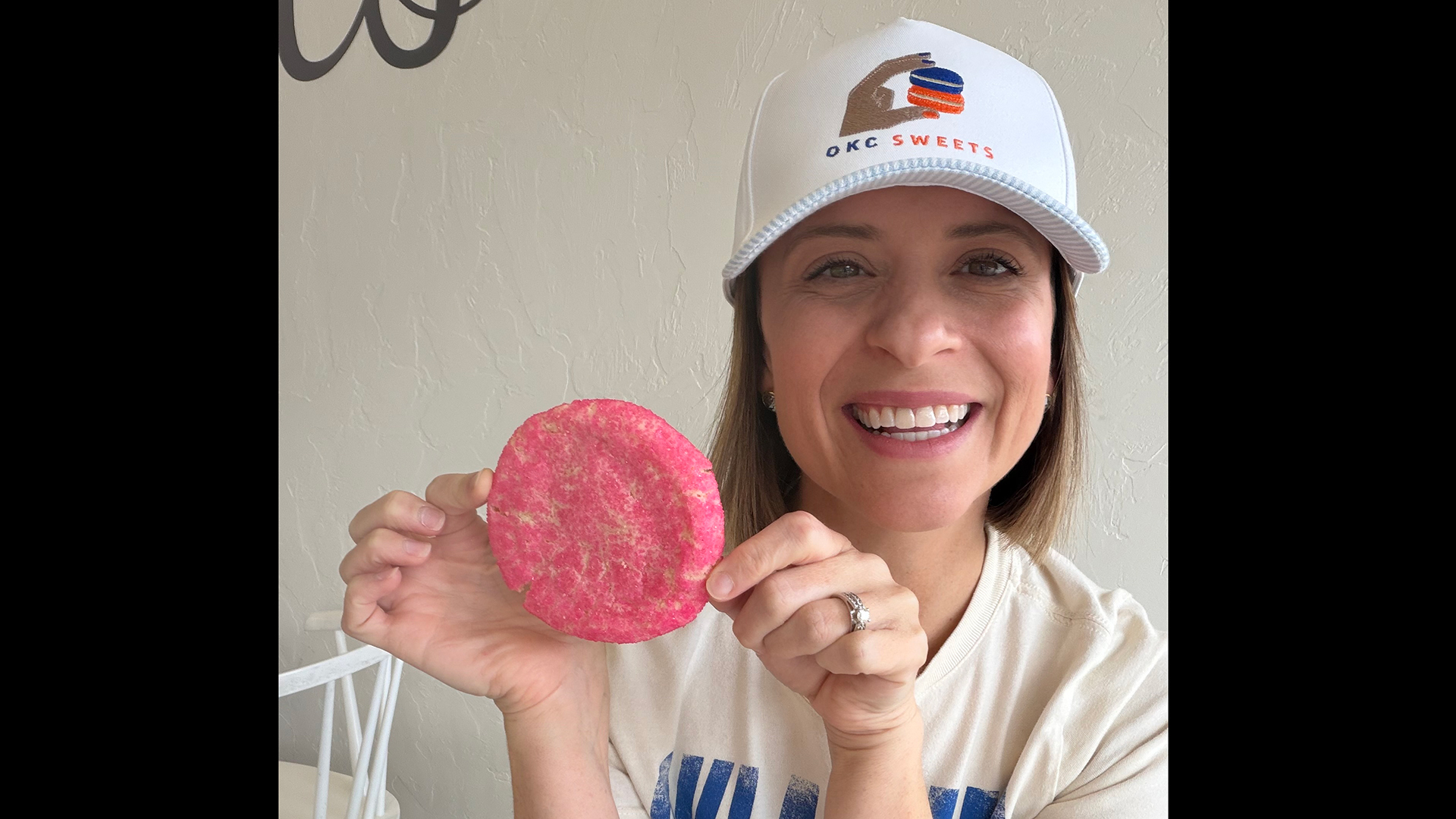
Breast cancer was never a story she expected to tell, but Embree now views sharing her experience as part of her platform.
She hopes other women remember three things: Know your body, make time for your health and speak up when something changes.
“I really do think that I have a platform, in a sense, and a responsibility to share my story,” Embree says, “in hopes that it will empower women to care about themselves and to not feel like it’s selfish to pause and take care of yourself.”
For Embree, the doors are opening again. This time, she is walking through them with a message that could help someone else act sooner.
Schedule a mammogram or find breast health services
Learn more about screening, diagnostic imaging, high-risk assessment and breast cancer care at the INTEGRIS Health Comprehensive Breast Center. To schedule a mammogram, call 1-855-MYMAMMO (1-855-696-2666).
If you have discovered a lump or another breast change, contact your healthcare professional for an evaluation rather than waiting for your next routine screening.
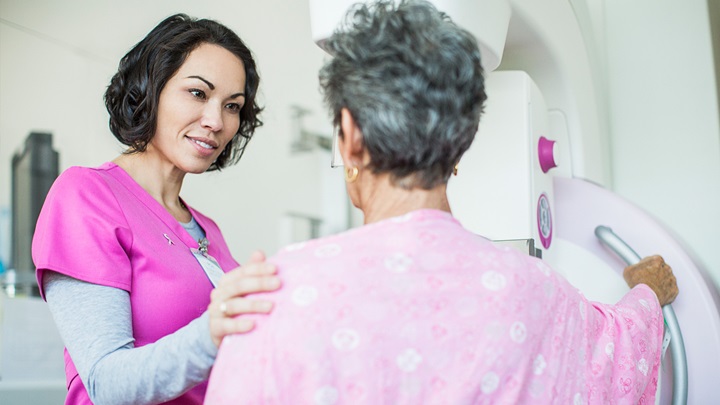
Schedule your mammogram today!
Call 1-855-MY-MAMMO (1-855-696-2666) or schedule via INTEGRIS Health & Me.


