


Thankful for a Second Chance to Breathe: An Oklahoma Patient's Life After Double Lung Transplant
Posted in

For years, simply walking across a room required careful planning for David Walker. Chronic obstructive pulmonary disease, commonly known as COPD, and emphysema had severely damaged his lungs, leaving him dependent on supplemental oxygen and worried that even a few extra steps might leave him struggling to breathe.
Today, the Altus, Oklahoma resident is back to skiing, golfing, swimming and rock climbing after receiving a double lung transplant at INTEGRIS Health Heart Hospital. His experience is a powerful reminder of what organ donation can make possible.
When everyday activities become exhausting
COPD is a progressive lung disease that restricts airflow and makes breathing increasingly difficult. For David, the disease affected nearly every part of daily life.
As his condition worsened, he began measuring activities according to how much oxygen and energy they would require. Staying home often felt safer than risking a situation in which he might run out of oxygen.
By 2022, his physicians determined that his lungs were failing and a double lung transplant offered his only chance for survival. He was referred to INTEGRIS Health Heart Hospital Advanced Cardiopulmonary Care in Oklahoma City.
Mark Rolfe, M.D., a pulmonary critical care and lung transplant medicine physician with INTEGRIS Health Advanced Cardiopulmonary Care, remembers the seriousness of David’s condition. "David’s lungs were no longer effectively removing carbon dioxide from his body," Rolfe says. "He was experiencing respiratory failure, required oxygen and faced a progressively worsening outlook without transplantation."
Preparing for a double lung transplant
David was placed on the organ transplant waiting list in 2023. About a year later, he received the call that donor lungs were available.
The moment brought a mix of emotions. After waiting so long, David felt both relieved and frightened by how quickly everything was moving.
A double lung transplant is a complex procedure requiring a highly coordinated surgical and clinical team. The operation involves removing both diseased lungs, placing the donor lungs and carefully connecting the airways and blood vessels.
“Lung transplantation is a technically demanding operation that requires precision and coordination at every stage,” says Daniel Freno, M.D., a cardiothoracic and transplant surgeon at INTEGRIS Health Heart Hospital. “The opportunity to restore a patient’s quality of life, like Mr. Walker, makes it incredibly rewarding.”
Breathing on his own again
After surgery, David woke up with a nasal cannula in place and assumed he was still receiving supplemental oxygen. He had relied on oxygen for so long that he was hesitant when his physician asked whether he was ready to remove it.
Then the physician told him something remarkable: the oxygen had never been turned on. David had been breathing independently since awakening after surgery.
For the first time in years, he could feel his lungs fully expand.
That moment marked the beginning of a recovery that progressed faster than David expected. He returned home a little more than three weeks after his transplant and gradually began rebuilding his strength.
Returning to the life he had missed
Recovery after a lung transplant requires close medical monitoring, medication management and a commitment to rehabilitation. For David, it also meant rediscovering activities that had once felt impossible.
He began by walking on a treadmill. As his strength and stamina improved, he returned to racquetball and golf. He also started swimming with his 10-year-old grandson.
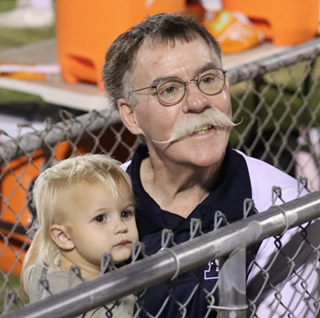
Spending that time with his grandson helped David recognize how much his illness had taken from him and his family. It also gave him a renewed sense of purpose. His message to others is straightforward: take care of your health and spend meaningful time with the people you love.
David soon began working through a bucket list of experiences he had postponed while he was sick. During a 27-day road trip, he skied for 21 days while traveling from Wolf Creek, Colorado, to Revelstoke, Canada, and back. The approximately 5,000-mile trip represented more than a vacation. It showed him how dramatically his life had changed.
On the second anniversary of his transplant, David went rock climbing, completing the final activity on his original bucket list. Now, he is considering creating a new list, perhaps with a marathon on it.
Honoring the gift of organ donation
A transplant recipient’s second chance begins with another person’s decision to become an organ donor. David remains mindful that his recovery was possible because a donor and the donor’s family chose to give that gift.
He now approaches each experience as an opportunity to honor the person whose donated lungs saved his life.
“I want to live a life worthy of the second chance I have been given,” David says.
For him, that means caring for his new lungs, staying active, spending time with his family and helping others understand the impact organ donation can have.
How to register as an organ donor in Oklahoma
Oklahoma residents can register as organ, eye and tissue donors in three ways:
- Register when obtaining or renewing an Oklahoma driver’s license.
- Register online through LifeShare Registry.
- Call 800-826-LIFE (5433) to request a donor registration form.
One donor’s decision can give another person the opportunity to breathe more easily, return to the people and activities they love and begin imagining what comes next.
Learn more about lung transplant care
To ask about a referral to an INTEGRIS Health lung transplant specialist, call 405-951-8523.


