


Heart Attack Symptoms You Should Never Ignore
Posted in

Chest pain can send a sudden jolt of panic through anyone. It is a terrifying experience that often brings the absolute worst-case scenarios to mind. Chest pain or pressure can have many causes, but new, unexplained or persistent chest discomfort should never be self-diagnosed.
Heart attack symptoms are not always sudden or severe. They may begin as mild pressure, tightness or discomfort and may occur with shortness of breath, nausea, sweating, lightheadedness or pain elsewhere in the upper body. If you think you or someone else may be having a heart attack, call 911 immediately.
Khawaja Akhtar, M.D., an interventional cardiologist at the INTEGRIS Health Heart Hospital, says patients should not wait for symptoms to become severe before seeking help.
“Heart attack symptoms are not always dramatic or obvious,” Dr. Akhtar says. “While chest pressure, tightness or pain is a classic warning sign, patients may also experience shortness of breath, discomfort in the arm, shoulder, back, neck, jaw or upper abdomen, nausea, cold sweats, lightheadedness, unusual fatigue or what feels like indigestion.”
“As an interventional cardiologist, I tell patients not to wait for symptoms to become severe before seeking help. If something feels suddenly wrong, especially if symptoms persist, worsen or occur with exertion, call 911. Minutes matter during a heart attack, and fast treatment can help restore blood flow, reduce heart muscle damage and save lives.”
What are the warning signs of a heart attack?
A heart attack occurs when part of the heart muscle does not receive enough blood. The longer blood flow is restricted, the greater the potential damage to the heart muscle.
Common heart attack warning signs include:
- Pressure, squeezing, fullness, heaviness or pain in the center or left side of the chest
- Pain or discomfort in one or both arms or shoulders
- Discomfort in the back, neck, jaw or upper abdomen
- Shortness of breath, with or without chest discomfort
- A cold sweat
- Nausea or vomiting
- Lightheadedness, weakness or faintness
- Unusual or unexplained fatigue
- A rapid or irregular heartbeat
Symptoms can vary from person to person. Some heart attacks are sudden and intense, while others begin with mild pain or discomfort. Chest symptoms may last for several minutes or go away and return.
A heart attack does not always feel like sharp pain. Some people describe the feeling as pressure, tightness, squeezing, heaviness, burning or indigestion. Discomfort may also occur outside the chest, including in the shoulder, arm, neck, jaw or upper abdomen.
- Heavy pressure in the center of the chest is a classic cardiac warning sign.
- Experiencing sudden jaw pain alongside chest discomfort is a highly concerning development.
- A known history of heart disease increases your overall cardiovascular risk level.
- Dull pain that persists or keeps returning needs a thorough professional evaluation immediately.
Heavy pressure often feels like a tight band forcefully squeezing your chest or a heavy weight sitting on your ribs. This crushing sensation is one of the most recognizable early signs of a heart attack for most patients.
- The severe discomfort usually lasts for more than several minutes.
- It might mysteriously go away for a while and come back later with greater intensity.
- Many patients describe it as an uncomfortable fullness or an intense squeezing feeling.
- The overwhelming pressure simply does not improve when you shift or change physical positions.
A combination of other dangerous symptoms frequently accompanies the intense chest pressure during a severe cardiac event. You should never ignore radiating pain or sudden physical distress that accompanies your chest discomfort.
- The sharp pain often spreads quickly to the arms, back, neck, jaw or stomach.
- Breaking out in a sudden cold sweat is a very common physical reaction.
- You might feel unusually tired, lightheaded or on the verge of fainting.
- Sudden nausea and vomiting sometimes mimic the feeling of severe indigestion or food poisoning.
A history of heart problems significantly increases the likelihood of experiencing future cardiac events. Individuals with previous cardiovascular issues should discuss new or changing symptoms with a healthcare professional.
- Prior heart attacks leave the damaged heart muscle much more vulnerable to future complications.
- High blood pressure, poorly controlled diabetes, tobacco use, and elevated cholesterol are major risk factors for heart disease in both men and women.
- A direct family history of cardiac disease warrants extra caution and frequent medical monitoring.
- Regular healthcare checkups help track your cardiovascular health over a long period.
Recurring and persistent pain that visibly worsens with physical exertion is a major red flag. This specific type of discomfort strongly suggests that struggling heart muscle is not getting nearly enough oxygen.
- The dull pain typically intensifies during rigorous exercise or periods of high stress.
- Simply resting on the couch does not always make the discomfort disappear completely.
- The overall intensity can fluctuate wildly, but rarely vanishes completely from your chest.
- Prompt medical assessment is absolutely crucial for diagnosing recurring and unexplained chest aches.
Can heart attack symptoms be different in women?
The differences: Chest pain or discomfort is the most common heart attack symptom in both women and men. However, women may experience additional or less recognized symptoms, including shortness of breath, nausea or vomiting, unusual fatigue, lightheadedness, anxiety, upset stomach or discomfort in the back, shoulder, arm, neck or jaw.
These symptoms should not be dismissed simply because chest pain is mild or absent.
- Women may not always have severe chest pain as the main symptom.
- Warning signs can include fatigue, nausea, dizziness and pain in the jaw, back, or neck.
- Heart attacks can occur in younger adults, especially when risk factors are present.
- The average age of a first heart attack is about 65 for men and 72 for women.
- Premature heart attack is not so uncommon, and persistent or unusual symptoms should be checked promptly.
When should you call 911 for chest pain?
Why it matters: Seeking prompt medical help drastically improves your chances of surviving a cardiac event and minimizing permanent damage to the heart muscle. Every single minute counts when you are dealing with potential life-threatening cardiac emergencies.
Call 911 and seek urgent medical evaluation for new, unexplained, severe, persistent or recurring chest discomfort, especially when it occurs with shortness of breath, sweating, nausea, lightheadedness, weakness or pain elsewhere in the upper body.
- Fast medical intervention quickly restores crucial blood flow to the struggling heart.
- Quick and decisive treatment saves the vulnerable heart tissue from permanent damage.
- Current chest-pain guidance emphasizes expedited evaluation and structured clinical assessment because symptoms alone cannot reliably confirm or rule out a heart attack. That’s why Dr. Akhtar tells patients not to wait for severe or “classic” symptoms.
What else can cause chest pain?
The basics: Chest discomfort does not always signal a major cardiac event. Many other less severe medical conditions mimic these intense warning signs and cause unnecessary alarm for patients.
Note: Reflux, anxiety and chest wall problems can cause chest discomfort, but symptoms often overlap. Improvement with an antacid, rest, breathing exercises or a change in position does not conclusively rule out a heart problem.
- Acid reflux creates a burning discomfort directly behind the breastbone.
- Anxiety and panic attacks trigger sudden and overwhelming chest tightness.
- Musculoskeletal issues often result in sharp pains when you move or breathe.
Acid reflux happens when stomach acid flows back into the esophagus and irritates the delicate lining. This common digestive issue often feels significantly worse right after eating a large meal or lying down for a nap.
- The intense burning feeling usually starts in the upper abdomen and moves up into the chest cavity.
- You might notice a bitter or sour taste lingering in the back of your mouth.
- Over-the-counter antacids typically provide quick and effective relief for the discomfort.
- These symptoms often flare up late at night and severely disrupt your sleep cycle.
Anxiety and panic attacks can produce severe physical symptoms that feel alarmingly similar to a real medical emergency. The intense emotional distress triggers your body’s stress response.
- Your resting heart rate increases rapidly and unpredictably during a panic attack or anxiety episode.
- You may experience severe shortness of breath and sudden spells of dizziness.
- The chest tightness usually peaks within a few minutes and then gradually subsides on its own.
- Deep breathing exercises help calm the nervous system and bring your heart rate back down.
- If this is your first episode, the symptoms are different from previous panic attacks or you are unsure of the cause, seek medical care.
Musculoskeletal chest wall pain originates from the muscles and bones located inside your rib cage. Straining a chest muscle during a strenuous workout or dealing with inflammation in the rib cartilage can cause significant physical discomfort.
- The sharp pain is typically localized to one specific spot on your chest.
- Pressing firmly on the affected area almost always makes the throbbing pain feel worse.
- Taking a deep breath or coughing aggressively aggravates the dull ache.
- Getting plenty of rest and taking anti-inflammatory medication usually aids the natural healing process.
Take the next step for your heart health
Are you concerned about heart attack symptoms right now? Call 911.
Next steps: For nonemergency concerns, prevention or follow-up care, an INTEGRIS Health cardiologist can help you understand your risk factors and protect your heart health. Find a cardiologist or explore cardiovascular services at INTEGRIS Health.
This article was medically reviewed by Khawaja Akhtar, M.D., an interventional cardiologist at the INTEGRIS Health Heart Hospital in Oklahoma City.
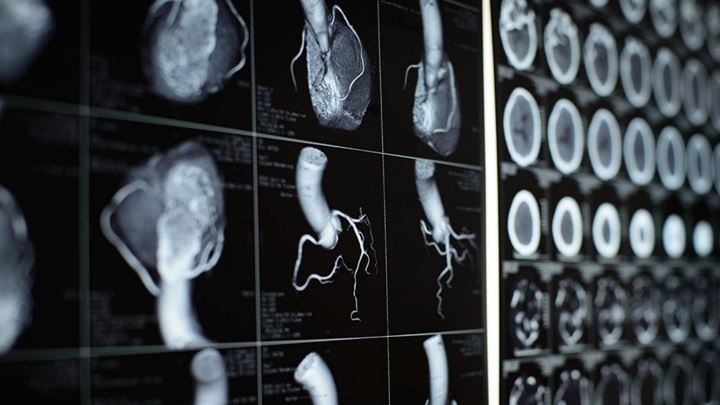
Learn how a $50 Heart Scan could save your life.
If you are over the age of 40, check your risk factors. Schedule a Heart Scan today.


